
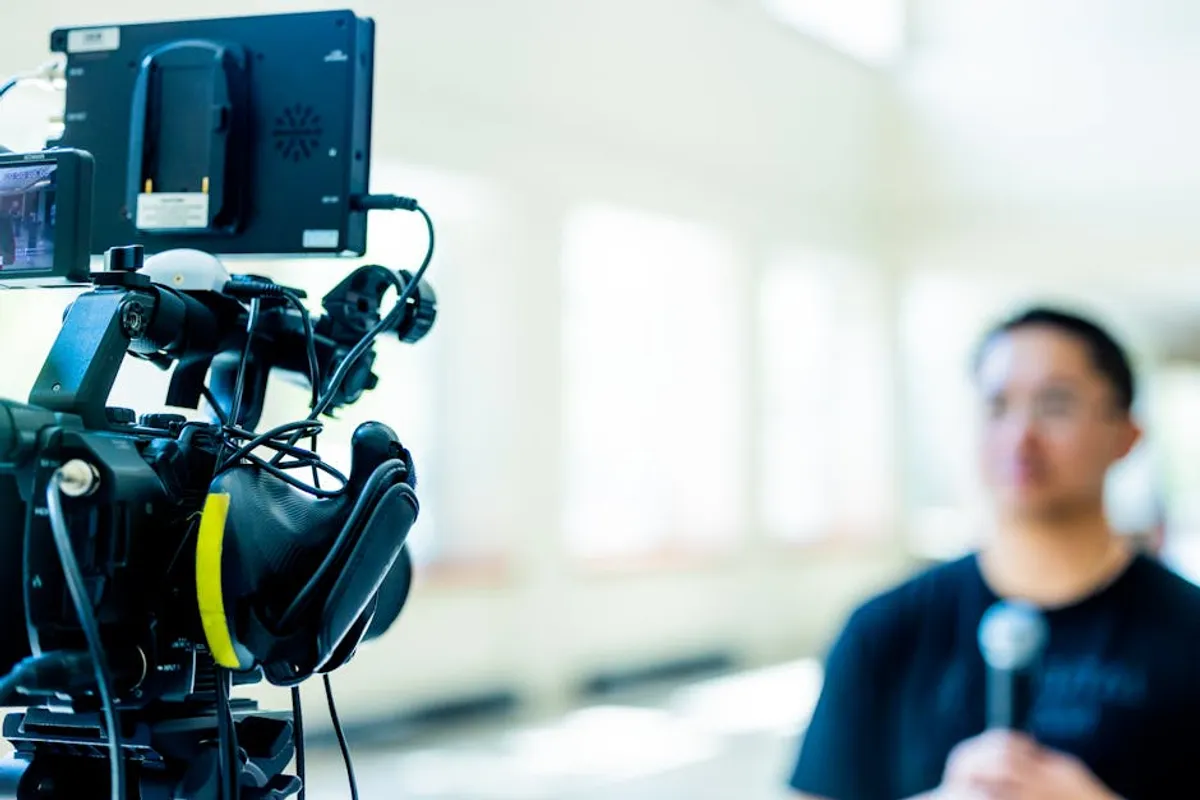
Crafting compelling paranormal interview content requires more than just asking about strange occurrences. For content creators, podcasters, and video producers aiming to capture and retain curious viewers, the quality and structure of interview questions are paramount. Effective questioning transforms anecdotal accounts into engaging narratives, fosters deeper audience connection, and establishes the interviewer's credibility within a niche often prone to skepticism. The objective is to elicit specific, verifiable details, emotional context, and unique perspectives that differentiate your content in a crowded digital landscape. This approach elevates an interview from a simple Q&A session to a valuable, shareable piece of media that drives engagement and builds a loyal audience. To truly engage your audience, consider incorporating specific questions about unexplained phenomena that tap into the core of their curiosity.
Crafting Compelling Paranormal Narratives
Before delving into specific questions, consider the strategic intent behind each inquiry. A well-designed question serves multiple purposes: it builds rapport, extracts granular detail, challenges assumptions, and maintains narrative flow. For content creators, the goal is not merely to document, but to produce content that resonates. This means questions must be designed to uncover the 'why' and 'how' behind experiences, not just the 'what.' Focus on sensory details, emotional impact, and the interviewee's personal interpretation. This depth is what converts casual viewers into dedicated subscribers, enhancing watch times and shareability. Prioritize questions that offer distinct angles or introduce new facets to commonly discussed paranormal phenomena, ensuring your content stands out.
1. The Foundational Experience Query
This initial question aims to establish the interviewee's primary connection to the paranormal, serving as a narrative anchor. It grounds the discussion in a personal, often impactful, first-hand account, providing immediate context for subsequent inquiries. The goal is to obtain a concise yet evocative summary that sets the emotional and thematic tone for the entire interview, allowing viewers to quickly grasp the interviewee's background and motivation for sharing their story.
Best For: Opening interviews with new subjects, establishing personal credibility, and providing a compelling narrative hook for viewers.
Pros:
- Immediately humanizes the interviewee, fostering viewer empathy and engagement.
- Provides a clear starting point for the narrative arc, making the story easy to follow.
- Can elicit strong emotional responses, which are valuable for audience connection.
Cons:
- May lead to generic responses if the interviewee has shared the story frequently without new details.
- Requires careful follow-up to extract unique angles beyond the initial recounting.
- Can inadvertently set a precedent for focusing solely on one experience, potentially limiting broader discussion.
Verdict: Essential for building foundational rapport and narrative coherence, but its effectiveness hinges on the interviewer's ability to probe for fresh details and emotional nuances beyond surface-level recitation.
2. The Sensory Detail Elicitor
This question type focuses on extracting specific sensory information related to a paranormal event. Instead of broad descriptions, it pushes interviewees to recall sights, sounds, smells, tastes, and tactile sensations. This level of detail is crucial for making an account feel more tangible and immersive for the audience, transforming abstract claims into vivid, relatable experiences. It helps viewers visualize the event, increasing their perceived authenticity of the narrative.
Best For: Deepening the immersion of a story, providing concrete evidence points, and engaging viewers' imaginations.
Pros:
- Adds significant depth and realism to paranormal accounts, making them more believable.
- Generates unique descriptive content that differentiates one story from another.
- Encourages the interviewee to access deeper memories, potentially revealing new insights.
Cons:
- Interviewees may struggle to recall minute sensory details accurately, leading to hesitation or fabrication.
- Over-reliance can make an interview feel like an interrogation rather than a conversation.
- Requires patience and careful phrasing to avoid leading questions.
Verdict: A powerful tool for enriching narratives and enhancing viewer immersion, but demands a nuanced approach to avoid putting undue pressure on the interviewee for specific recollections.
3. The Pre- and Post-Event Contextualizer
This question sequence aims to establish the normalcy of the environment and the interviewee's state of mind immediately before and after a paranormal incident. By contrasting the mundane with the extraordinary, it highlights the disruption caused by the event. Understanding the context helps viewers assess the likelihood of misinterpretation or external factors, while also emphasizing the profound impact the experience had on the individual, adding emotional weight to the narrative.
Best For: Validating the experience against a baseline of normalcy and illustrating its psychological impact.
Pros:
- Lends credibility by demonstrating a clear shift from ordinary circumstances.
- Helps rule out common explanations like fatigue, stress, or environmental factors.
- Provides a framework for understanding the interviewee's emotional journey.
Cons:
- Interviewees might struggle to recall mundane details from before a traumatic or startling event.
- Can slow the narrative pace if over-emphasized without a clear purpose.
- Requires careful framing to avoid implying skepticism or doubt.
Verdict: Crucial for building a robust narrative framework and enhancing the perceived authenticity of an account, provided it's integrated smoothly into the interview flow.
4. The Emotional Impact Explorer
Beyond simply recounting events, this question delves into the emotional and psychological aftermath of a paranormal experience. It asks how the event affected the interviewee's beliefs, daily life, relationships, or overall worldview. This taps into the human element of the story, making it relatable even to skeptical viewers. Emotional resonance is a key driver of audience engagement and retention, providing depth beyond mere incident reporting.
Best For: Connecting with viewers on a deeper, human level and demonstrating the lasting significance of an experience.
Pros:
- Creates powerful, relatable content that fosters empathy and understanding.
- Reveals the transformative nature of paranormal encounters, adding narrative weight.
- Often uncovers unique philosophical or personal insights that enrich the interview.
Cons:
- Interviewees may be reluctant to share deep emotional vulnerabilities.
- Can become overly sentimental or lose focus if not guided back to specific impacts.
- Requires a sensitive and empathetic interviewing approach to build trust.
Verdict: Indispensable for creating compelling, resonant content that transcends simple storytelling, provided the interviewer establishes a safe space for genuine emotional sharing.
5. The Skeptical Counterpoint Provoker
This question encourages the interviewee to consider and address potential rational or skeptical explanations for their experience. By actively inviting them to debunk their own story, it demonstrates a commitment to thoroughness and intellectual honesty. This approach can disarm skeptical viewers and strengthen the perceived credibility of the interviewee if they can articulate why common explanations don't apply, or what efforts they made to find alternative answers.
Best For: Enhancing credibility, addressing common viewer doubts proactively, and showcasing critical thinking from the interviewee.
Pros:
- Builds trust with skeptical or analytical segments of the audience.
- Allows the interviewee to reinforce their conviction by ruling out alternatives.
- Can lead to interesting discussions about the nature of perception and belief.
Cons:
- Interviewees may feel challenged or defensive, potentially shutting down.
- Can be perceived as hostile if not phrased carefully and respectfully.
- May not be applicable if the interviewee has not actively sought rational explanations.
Verdict: A high-value question for elevating the intellectual rigor of an interview, but requires a delicate touch to maintain a cooperative atmosphere and avoid alienating the interviewee.
6. The Pattern Recognition Inquiry
This question explores whether the interviewee has experienced similar phenomena before or after the primary event, or if others around them have. Identifying patterns or recurring themes can suggest a deeper, more pervasive influence rather than an isolated incident. This adds weight to the narrative by moving beyond a single occurrence, hinting at ongoing activity or a broader personal connection to the paranormal, which can be highly engaging for viewers seeking continuity.
Best For: Establishing recurring themes, suggesting ongoing activity, and building a more comprehensive narrative arc.
Pros:
- Adds significant depth to the interviewee's overall experience with the paranormal.
- Can reveal connections or patterns that the interviewee hadn't consciously articulated.
- Provides potential avenues for future content or follow-up investigations.
Cons:
- Interviewees might struggle to recall or connect disparate events into a coherent pattern.
- Can lead to speculative or anecdotal evidence rather than concrete details.
- Risks encouraging confirmation bias if not approached with an open mind.
Verdict: Effective for expanding the scope of an interviewee's story and suggesting deeper connections, but relies on the interviewee's ability to identify and articulate recurring experiences.
7. The Verification and Evidence Check
This question focuses on any tangible or verifiable evidence that supports the paranormal claim. This could include photographs, videos, audio recordings, witness testimonies, physical anomalies, or documented changes in an environment. For content creators, presenting even circumstantial evidence significantly boosts the perceived authenticity and shareability of the content, offering viewers something concrete to consider beyond personal testimony.
Best For: Lending empirical weight to an account, providing visual/auditory content, and appealing to evidence-driven audiences.
Pros:
- Provides concrete elements for the audience to evaluate, enhancing credibility.
- Offers opportunities for multimedia integration, making content more dynamic.
- Can initiate discussions about the nature of proof in paranormal investigations.
Cons:
- Most paranormal experiences lack verifiable evidence, potentially leading to disappointment.
- Evidence presented may be ambiguous, easily debunked, or of poor quality.
- Focusing too heavily on "proof" can overshadow the personal narrative.
Verdict: Critically important for grounding claims in reality and offering tangible points for discussion, but interviewers must manage expectations regarding the availability and quality of such evidence.
8. The Personal Transformation Inquiry
This question explores how the paranormal experience fundamentally changed the interviewee as a person. It moves beyond immediate emotional impact to long-term shifts in personality, beliefs, fears, or life choices. This offers a powerful narrative of personal growth or profound alteration, making the story more impactful and memorable. It appeals to viewers interested in the deeper human implications of extraordinary encounters.
Best For: Showcasing the profound, lasting effects of paranormal encounters and creating highly resonant content.
Pros:
- Reveals the deep, personal significance of the experience, fostering strong viewer connection.
- Provides a compelling narrative of change or evolution, which is inherently engaging.
- Often uncovers unique philosophical or spiritual perspectives.
Cons:
- Requires a high level of introspection and willingness to share personal growth.
- Interviewees may not have consciously recognized or articulated these transformations.
- Can feel overly abstract if not tied back to specific behavioral changes or beliefs.
Verdict: A high-yield question for generating deeply personal and impactful content, provided the interviewee is open to sharing their transformative journey and the interviewer guides the discussion effectively.
9. The Future Perspective Question
This question asks the interviewee about their current outlook on the paranormal and how they approach similar situations now. It explores whether their experience has made them more cautious, more open, or prompted them to seek further understanding. This provides closure to their personal narrative arc within the interview, offering viewers insight into their ongoing journey and potential future actions, maintaining interest beyond the immediate recounting of the event.
Best For: Providing a sense of closure to the narrative, revealing long-term impact, and offering insights into ongoing beliefs or actions.
Pros:
- Offers a forward-looking perspective that completes the interviewee's story.
- Can reveal ongoing personal quests or commitments related to the paranormal.
- Helps viewers understand the lasting psychological and philosophical effects of the experience.
Cons:
- Responses might be generic if the interviewee hasn't deeply reflected on their future perspective.
- Can sometimes feel like a forced conclusion if the narrative doesn't naturally lead to it.
- May not be relevant if the experience was a singular, isolated event with no lingering impact.
Verdict: Useful for rounding out the interviewee's narrative and providing a sense of completeness, but its impact depends on the interviewee's level of introspection and ongoing engagement with the paranormal.
10. The Unanswered Questions Provoker
This question encourages the interviewee to articulate what aspects of their experience still baffle them, or what questions they wish they could have answered. It acknowledges the inherent mystery in paranormal phenomena and validates the interviewee's perplexity. For viewers, it highlights the enduring enigma, inviting them to ponder alongside the interviewee and fostering a sense of shared curiosity. This can generate discussion and speculative engagement in comments.
Best For: Emphasizing the enduring mystery, fostering viewer speculation, and inviting audience interaction.
Pros:
- Validates the interviewee's confusion and the inherent mystery of the paranormal.
- Encourages deeper thought and reflection from both the interviewee and the audience.
- Can spark vibrant discussions and theories in the comments section, boosting engagement.
Cons:
- Interviewees might struggle to articulate specific unanswered questions, offering vague responses.
- Can feel like an admission of defeat if not framed as an exploration of mystery.
- Could inadvertently undermine the credibility of the experience if the interviewee seems too uncertain.
Verdict: Excellent for embracing the enigmatic nature of the paranormal and stimulating audience engagement, provided it's positioned as an exploration of mystery rather than a search for definitive answers.
11. The Personal Theory Developer
This question invites the interviewee to share their personal theories or interpretations of what they experienced. It moves beyond mere recounting to personal meaning-making. Whether their theory is scientific, spiritual, or entirely unique, it offers a window into their worldview and thought processes. This provides unique content that differentiates the interview, as it's the interviewee's specific intellectual or intuitive attempt to understand the incomprehensible, fostering deeper viewer interest.
Best For: Uncovering unique perspectives, showcasing interviewee intellect, and generating thought-provoking discussions.
Pros:
- Provides unique content driven by the interviewee's individual interpretation.
- Can reveal fascinating personal belief systems or attempts to rationalize the unexplainable.
- Engages viewers who enjoy theoretical discussions and alternative explanations.
Cons:
- Interviewees may not have fully developed theories, leading to hesitant or vague answers.
- Theories might be highly speculative or lack any basis, potentially undermining credibility.
- Requires careful handling to avoid endorsing or dismissing personal beliefs prematurely.
Verdict: Highly valuable for extracting unique insights and intellectual engagement, but demands a respectful and open-minded approach from the interviewer to encourage genuine sharing.
12. The Advice to Others Query
This concluding question asks the interviewee what advice they would give to someone who experiences something similar, or to content creators covering paranormal topics. This provides a practical, actionable takeaway for the audience, whether it's about documenting experiences, seeking help, or approaching the subject with an open mind. It offers a valuable closing statement that synthesizes their journey into wisdom, making the interview feel complete and purposeful.
Best For: Providing actionable insights, offering a sense of closure, and leaving viewers with a valuable takeaway.
Pros:
- Offers practical guidance or philosophical reflection that resonates with the audience.
- Provides a strong, memorable closing statement for the interview.
- Can empower viewers who have had or anticipate similar experiences.
Cons:
- Advice can sometimes be generic or unoriginal if the interviewee hasn't deeply considered it.
- May feel preachy if not delivered authentically.
- Requires the interviewer to frame it as a genuine request for wisdom, not just a filler question.
Verdict: An excellent closing question for imparting wisdom and providing a sense of purpose to the interview, effectively consolidating the interviewee's journey into a meaningful message for the audience.
Structuring for Impact and Engagement
Beyond individual questions, the overall flow and structure of your paranormal interviews are critical for maximizing viewer engagement. Begin with rapport-building and foundational questions to establish trust and context. Transition into the core narrative, using sensory and contextual questions to deepen immersion. Introduce skeptical counterpoints and evidence checks strategically to address doubts and build credibility. Conclude with questions that explore emotional impact, personal transformation, and future perspectives, leaving viewers with a lasting impression. Varying the intensity and type of questions prevents monotony and keeps the audience invested. Consider how each question contributes to the overall narrative arc, ensuring a cohesive and compelling story that encourages sharing and repeat viewership. The goal is to guide the interviewee through their experience in a way that is both authentic to them and maximally engaging for your audience, ultimately enhancing your content's reach and authority.
Frequently Asked Questions
How do I handle an interviewee who is hesitant or vague?
Patience and open-ended follow-up questions are key. Instead of pressing for specific details, ask them to describe their feelings or what they remember most vividly. Sometimes, rephrasing a question or moving to a different topic briefly can help them relax and recall details later. Building strong rapport before and during the interview is crucial for encouraging openness.
What if an interviewee’s story sounds unbelievable or contradictory?
Maintain a neutral, non-judgmental stance. Focus on eliciting their perception and experience rather than validating or debunking the story. You can use questions like, "What do you think might explain that contradiction?" or "How do you reconcile those two aspects of your experience?" This allows the interviewee to address inconsistencies from their perspective, which can be valuable content in itself.
How can I ensure my interviews are unique in a saturated paranormal content market?
Focus on the individual's unique emotional journey and interpretation, not just the events. Prioritize questions that reveal personal transformation, philosophical insights, or specific, never-before-heard details. Encourage the