
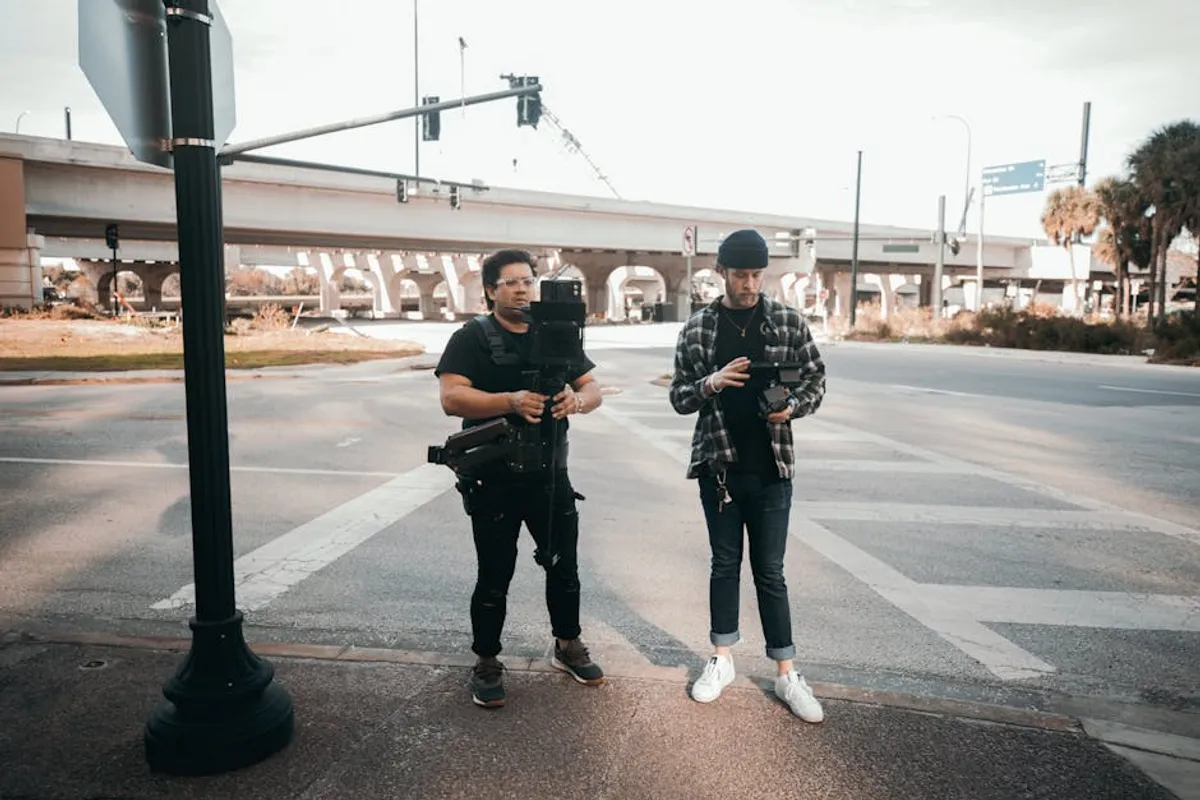
Documentary filmmaking, particularly when tackling strange true stories, presents a unique set of challenges and opportunities. The allure of the unusual can draw an audience, but effectively translating a bizarre or unbelievable narrative into a coherent, compelling, and commercially viable film requires more than just a shocking premise. It demands meticulous research, a sophisticated approach to storytelling, and a deep understanding of audience psychology. This guide outlines practical considerations for filmmakers aiming to navigate the complexities of these unconventional subjects, ensuring their projects resonate beyond mere curiosity.
Sourcing and Validating Unconventional Narratives
Beyond the Obvious: Digging for the Truly Unique
Finding a truly strange story that hasn't been overexposed requires looking beyond mainstream headlines. Start with local archives, historical societies, and niche publications specializing in folklore, unexplained phenomena, or forgotten histories. Seek out primary sources—diaries, letters, police reports, or eyewitness accounts—that offer direct insight into events. Often, the most compelling narratives reside in the periphery, in the personal experiences of individuals touched by the unusual, rather than in widely publicized incidents. The commercial value here lies in originality; a fresh, untold story stands a better chance of cutting through market noise.
Fact-Checking the Fantastic: Maintaining Credibility
When dealing with stories that push the boundaries of belief, rigorous fact-checking is paramount. The credibility of your film hinges on your ability to substantiate claims, no matter how extraordinary. This involves cross-referencing information from multiple independent sources, consulting subject matter experts (scientists, historians, criminologists, psychologists) to weigh in on plausibility or context, and establishing a clear chain of evidence for every significant assertion. Avoid relying solely on anecdotal accounts or single sources, especially when those sources have a vested interest in the narrative. A well-researched, verifiable strange story is far more impactful and distributable than one riddled with unsubstantiated claims.
Warning: The allure of a 'strange' story can sometimes override critical judgment. Always prioritize verifiable facts over compelling conjecture to maintain your film's integrity and audience trust. A single unverified claim can undermine the entire narrative and its commercial potential.
Crafting a Compelling Narrative Arc
The Human Element in the Unexplained
Even the most bizarre true stories need a human anchor. Audiences connect with emotions, struggles, and transformations, not just isolated incidents of strangeness. Identify the characters whose lives were most profoundly affected by the unusual event or phenomenon. Explore their motivations, fears, obsessions, and resilience. Is there a detective obsessed with an unsolved mystery? A family grappling with an unexplainable loss? A community trying to make sense of a local legend? By grounding the strange in relatable human experience, you elevate the story from mere spectacle to resonant drama, broadening its appeal to a wider audience.
Structuring the Unstructured: Imposing Order on Chaos
Strange true stories often lack a conventional plot structure. They might be fragmented, ambiguous, or defy linear progression. Your role as a filmmaker is to impose a narrative order that makes sense to the audience without sacrificing the inherent mystery or complexity. Consider structures such as:
- Investigative: Following the filmmaker or a central character as they uncover clues and piece together the puzzle.
- Character-driven: Focusing on the journey and perspective of one or more individuals intimately connected to the strange events.
- Thematic: Using the strange story to explore broader themes like belief, fear, societal anxieties, or the limits of human knowledge.
- Non-linear: Employing flashbacks, multiple perspectives, or an episodic approach to reflect the story's inherent disjointedness, while still building towards a cohesive understanding.
The goal is to build suspense, offer revelations, and guide the audience through the narrative, even if a definitive resolution remains elusive. A well-structured film, regardless of its subject matter, is more likely to secure distribution and critical acclaim.
Visual Storytelling and Aesthetic Choices
Evoking Atmosphere Without Exploitation
The visual and auditory aesthetics of your documentary are crucial for conveying the mood and tone of a strange true story. Cinematography can range from stark realism to more stylized, atmospheric approaches, depending on the subject. Sound design plays a critical role in building tension, unease, or wonder without resorting to cheap jump scares. Music should enhance the emotional landscape, guiding the audience's feelings rather than dictating them. The key is to evoke the strangeness and mystery respectfully, avoiding sensationalism or a carnival-esque presentation that trivializes the subject or the experiences of those involved. Authenticity in presentation reinforces credibility.
Ethical Considerations in Portraying the Peculiar
Documenting unusual subjects demands a heightened sense of ethical responsibility. This includes:
- Informed Consent: Ensuring all subjects fully understand how they will be portrayed and the potential impact of their story's public dissemination.
- Respectful Representation: Avoiding caricature, mockery, or exploitation of individuals who may be vulnerable, eccentric, or hold unconventional beliefs.
- Privacy: Balancing the public interest in a strange story with the private lives of individuals, especially when dealing with sensitive or traumatic events.
- Accuracy: Presenting the story truthfully, even if it means acknowledging ambiguities or unanswered questions, rather than inventing conclusions for dramatic effect.
Maintaining high ethical standards not only protects your subjects but also safeguards your reputation as a filmmaker and the film's long-term commercial and critical viability.
Distribution and Audience Engagement
Identifying the Niche: Who Wants to Watch This?
For strange true stories, identifying your core audience is crucial for effective distribution. These films often appeal to niche communities interested in true crime, the paranormal, conspiracy theories, forgotten history, or specific cultural phenomena. Research which streaming platforms, film festivals, or independent distributors have a track record of acquiring and promoting similar content. Engaging with online communities and forums dedicated to your subject matter can also provide valuable insights into audience interest and potential marketing channels.
Packaging for Impact: Marketing the Unique
Your logline, synopsis, and trailer are vital tools for attracting attention. Highlight the unique "strangeness" of your story while also emphasizing its universal themes or human drama. A compelling logline might pose a central question or reveal a shocking premise without giving away too much. Trailers should build intrigue and showcase the film's aesthetic quality, hinting at the mystery and emotional depth. Tailor your marketing materials to resonate with both the niche audience drawn to the subject and a broader audience interested in compelling storytelling. This dual approach maximizes your film's commercial reach.
Practical Application for Documentary Filmmakers
Success in documentary filmmaking, especially with strange true stories, hinges on a delicate balance: embracing the inherent uniqueness of your subject while adhering to fundamental principles of compelling narrative, ethical practice, and rigorous research. Focus on uncovering the human truths within the unusual, presenting them with integrity, and structuring them in a way that engages and informs. The long-term value of your film will stem from its ability to provoke thought and emotion, rather than merely shock, ensuring it finds its audience and leaves a lasting impact.
Frequently Asked Questions
How do I find truly "strange" stories that haven't been told?
Look beyond mainstream news. Explore local archives, historical societies, obscure academic papers, regional folklore, and community forums. Engage with local historians or enthusiasts who might know of overlooked incidents or eccentric figures. The most unique stories often require deep, unconventional digging.
What are the biggest ethical pitfalls when documenting unusual subjects?
Key pitfalls include exploiting vulnerable subjects, misrepresenting facts for dramatic effect, sensationalizing events, or failing to obtain proper informed consent. Always prioritize the dignity and privacy of your subjects, and maintain journalistic integrity in your portrayal.
Is it harder to get distribution for documentaries about strange true stories?
It can be, as these films often appeal to niche audiences. However, this also presents an opportunity. Target distributors and platforms known for unconventional or specialized content. Film festivals with categories for unique narratives can also be excellent launching pads for visibility and acquisition.
How important is a clear resolution for these types of films?
A definitive resolution is not always necessary or even possible for strange true stories. Often, the power of the film lies in exploring ambiguity, raising questions, or documenting the human response to the unexplained. What's crucial is a *narrative resolution*—a sense of completion for the viewer, even if the central mystery remains unsolved.