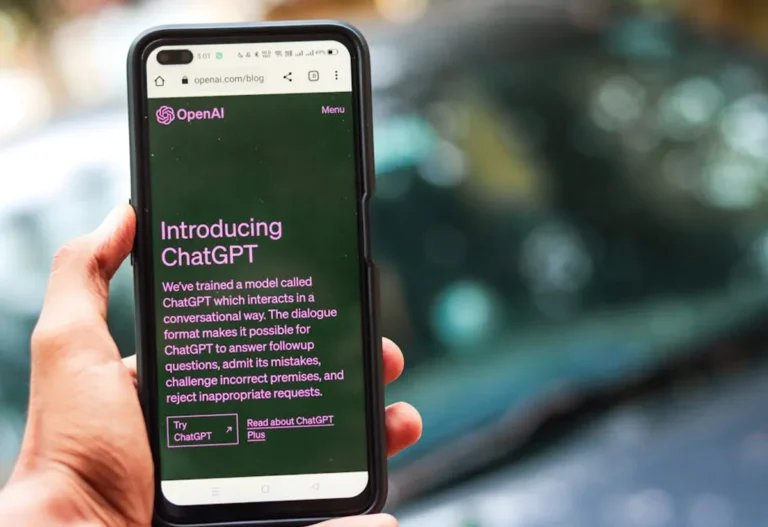

The integration of AI chat tools into mobile and web applications represents a fundamental shift in user interaction paradigms, moving beyond traditional button-and-menu interfaces towards more intuitive, conversational experiences. For app developers, product managers, and business stakeholders, understanding this evolution is critical not just for innovation, but for competitive survival. This isn't merely about adding a chatbot; it's about embedding intelligence that understands context, personalizes interactions, and automates processes, fundamentally reshaping how users engage with digital services and how businesses deliver value.
The Evolving Role of Conversational AI in Application Design
AI chat tools are transforming applications from static utility providers into dynamic, responsive agents. This shift is driven by advancements in natural language processing (NLP) and machine learning, enabling AI to interpret user intent with increasing accuracy. Instead of navigating complex menus, users can articulate needs directly, leading to faster task completion and reduced friction. This directly impacts user satisfaction and reduces the cognitive load associated with learning new app interfaces. This directly impacts user satisfaction when designing chat personality that feels approachable.
Enhancing User Experience Through Natural Interaction
Conversational interfaces allow users to interact with apps using natural language, mirroring human communication. This lowers the barrier to entry for complex applications and provides a more intuitive experience for a wider demographic. For instance, a banking app can move beyond form-filling for transactions to a chat interface where a user simply states, "Transfer $500 to John for groceries," and the AI confirms details. This immediate, direct interaction streamlines processes and makes apps feel more approachable.
- Personalized Assistance: AI chat can remember user preferences, past interactions, and contextual data to offer tailored recommendations and support, moving beyond generic responses.
- Instant Information Retrieval: Users can query databases or knowledge bases directly within the app, receiving precise answers without extensive searching.
- Streamlined Workflows: Complex multi-step processes can be guided by AI, breaking them down into conversational prompts, reducing error rates and improving completion rates.
Strategic Integration Models for App-Based AI Chat
The deployment of AI chat within applications isn't a one-size-fits-all approach. Strategic integration considers the app's core function, user base, and business objectives. The choice of model dictates development complexity, user adoption, and ultimate commercial impact.
Augmenting Existing Features
Many apps integrate AI chat as an enhancement to existing functionalities. This often involves embedding a chatbot for customer support, FAQs, or guided tutorials. The AI acts as a first line of defense, handling common queries and escalating complex issues to human agents. This reduces operational costs for support teams and provides instant gratification for users seeking quick answers.
Best for: Apps with high volumes of repetitive customer inquiries, onboarding challenges, or a need for always-on user assistance.
Core Conversational Applications
Some applications are built entirely around a conversational interface, where the chat is the primary mode of interaction. Examples include virtual assistants, language learning apps, or mental health support platforms. In these cases, the AI's ability to maintain context, understand nuances, and provide empathetic responses is paramount. The commercial value here is often tied to subscription models or premium features based on the AI's advanced capabilities.
Best for: Services where natural language interaction is the core value proposition, driving deep user engagement and data collection for continuous AI improvement.
Backend Intelligence and Automation
Beyond direct user interaction, AI chat tools can operate in the background, processing user input from other interfaces (like voice commands or text fields) to automate tasks or provide intelligent suggestions. This might involve using NLP to categorize user feedback, generate reports, or trigger automated actions based on conversational cues. While not directly visible as a "chat," the underlying AI powers a more intelligent, responsive app ecosystem.
Best for: Enhancing operational efficiency, automating internal processes, or providing proactive insights based on aggregated user data.
Pro Tip: When integrating AI chat, prioritize defining clear intent recognition models. Ambiguous or poorly understood user requests lead to frustrating experiences and abandonment. Invest in robust training data and iterative testing to ensure the AI accurately interprets user goals and responds appropriately. A poorly performing AI chat can be more detrimental than no AI chat at all, damaging user trust and brand perception.
Commercial Implications and Monetization Pathways
The strategic deployment of AI chat tools opens new avenues for commercial growth and efficiency. These are not merely cost centers but potential revenue drivers and differentiators.
Driving User Engagement and Retention
Apps that offer personalized, efficient, and natural interactions tend to foster higher user engagement. AI chat can provide proactive notifications, personalized content recommendations, or timely assistance, keeping users within the app ecosystem longer. Increased engagement directly correlates with higher retention rates, which are crucial for subscription-based models, advertising revenue, and lifetime customer value.
Optimizing Operational Efficiency
Automation through AI chat significantly reduces the need for human intervention in routine tasks. Customer support, lead qualification, and information dissemination can be handled by AI, leading to substantial cost savings. This allows human resources to focus on complex, high-value interactions, improving overall service quality and resource allocation.
Unlocking New Service Models
AI chat enables the creation of entirely new app services. Consider AI-powered tutors, personal financial advisors, or health coaches that operate primarily through conversational interfaces. These services can be offered as premium features, tiered subscriptions, or freemium models, generating direct revenue streams previously unattainable through traditional app designs.
Navigating Challenges and Ethical Considerations
While the benefits are significant, integrating AI chat tools requires careful navigation of technical, ethical, and user perception challenges.
Data Privacy and Security
Conversational AI often processes sensitive user data to provide personalized experiences. Ensuring robust data encryption, compliance with privacy regulations (e.g., GDPR, CCPA), and transparent data usage policies are non-negotiable. Breaches or misuse of data can severely erode user trust and incur significant legal and reputational damage.
Maintaining Brand Voice and Empathy
AI chat must align with the brand's voice and tone. A robotic or unhelpful AI can alienate users. Developing AI with a degree of empathy and the ability to seamlessly hand off to human agents when needed is crucial for maintaining a positive user experience and brand image. The goal is augmentation, not replacement, of human connection where it matters most.
Development Complexity and Iteration
Building effective conversational AI requires significant investment in NLP expertise, data labeling, and continuous model training. The AI needs to learn from interactions, adapt to new user intents, and evolve over time. This necessitates an iterative development cycle and a commitment to ongoing optimization, which can be resource-intensive.
Strategic Imperatives for App Developers
The future of apps is undeniably conversational and intelligent. For developers and businesses, the imperative is to move beyond superficial chatbot implementations and embrace AI chat as a foundational element of app strategy. This means prioritizing user intent, ensuring data privacy, and committing to continuous improvement.
Focus on use cases where AI can genuinely enhance user experience or deliver measurable operational efficiencies. Begin with clear objectives, whether it's reducing support tickets, increasing conversion rates, or enabling new service offerings. The commercial advantage will accrue to those who thoughtfully integrate AI chat, transforming their applications into more intuitive, personalized, and efficient digital partners for their users.
Frequently Asked Questions About AI Chat in Apps
What types of apps benefit most from AI chat integration?
Apps requiring extensive user support, personalized content delivery, complex data retrieval, or guided workflows benefit significantly. This includes e-commerce, banking, healthcare, education, and productivity applications where efficiency and personalization directly impact user satisfaction and operational costs.
What are the key technical challenges in integrating AI chat?
Primary challenges include accurate natural language understanding (NLU) for diverse user inputs, maintaining conversational context across interactions, integrating with existing backend systems, and ensuring data security and privacy. Building robust training datasets and continuously refining AI models are also critical technical hurdles.
How does AI chat impact app monetization strategies?
AI chat can enhance monetization by increasing user engagement and retention, reducing customer support costs, and enabling premium features or subscription tiers for advanced conversational services. It can also facilitate in-app purchases by providing personalized recommendations or streamlined transactional flows.
What ethical considerations should be addressed when deploying AI chat in apps?
Key ethical considerations include ensuring transparency about AI interaction, protecting user data privacy, preventing algorithmic bias in responses, and providing clear pathways for users to interact with human agents when the AI cannot adequately assist or when sensitive issues arise. Responsible AI development prioritizes user trust and safety.