
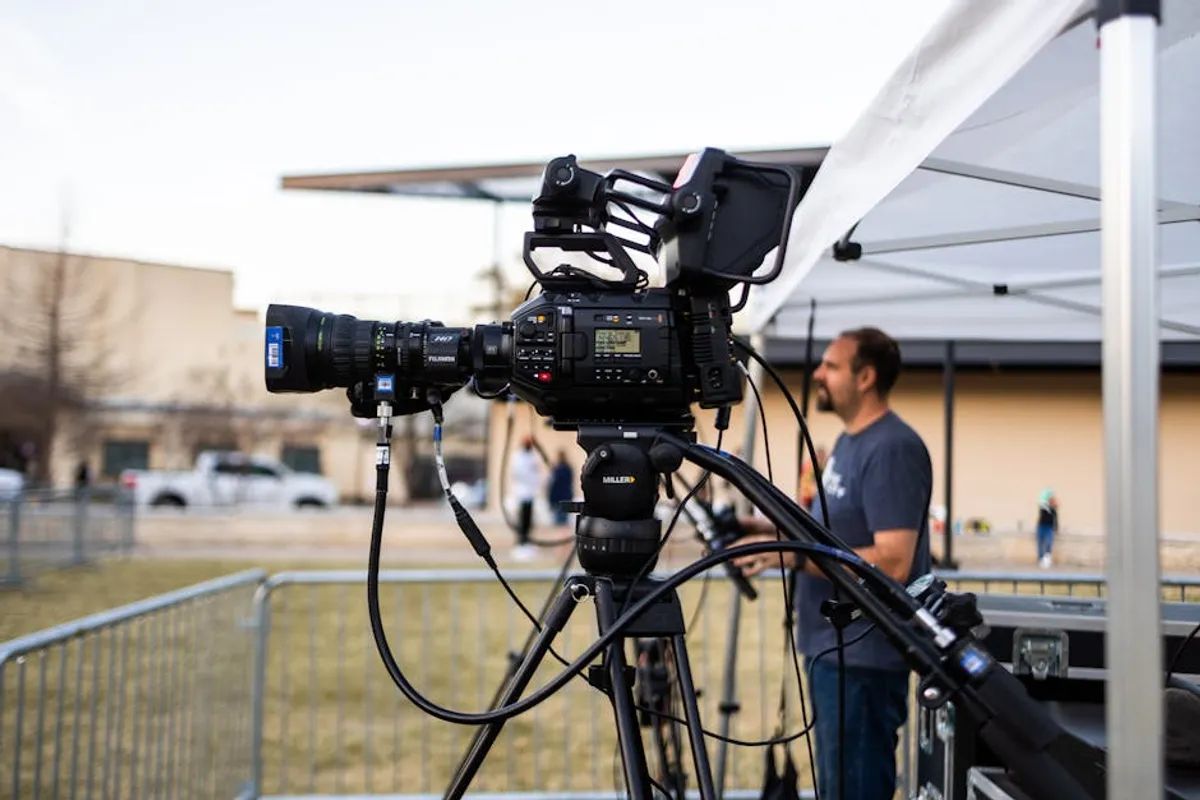
Film festival documentaries distinguish themselves not merely by their subject matter, but by the deliberate and often unconventional methods employed in their storytelling. Unlike mainstream theatrical releases that frequently adhere to established linear narratives and broad audience appeal, festival documentaries often prioritize artistic vision, unique perspectives, and a deeper engagement with complex realities. Understanding how these films construct their narratives is crucial for filmmakers aiming for festival inclusion, programmers curating selections, and audiences seeking to appreciate their distinct cinematic language. This exploration delves into the specific techniques that shape these compelling, often challenging, cinematic experiences. Understanding the exact techniques used in how these films construct their narratives can offer valuable insights into the documentary form.
Beyond Linear: Crafting Narrative Structures
The conventional three-act structure, while effective for many commercial films, is frequently subverted in festival documentaries. Filmmakers often opt for non-linear, episodic, or mosaic structures to reflect the inherent complexities of their subjects. This approach allows for a more nuanced portrayal of reality, avoiding simplistic cause-and-effect relationships. For instance, a documentary might jump between different time periods or perspectives, forcing the audience to actively piece together the narrative. This is not arbitrary; it's a conscious choice to mirror the fragmented nature of memory, the slow unfolding of social issues, or the multi-faceted character of an individual. The narrative arc, if present, often emerges through thematic resonance rather than chronological progression, demanding sustained viewer attention and interpretation.
Common structural choices include:
- Episodic Narratives: Presenting a series of self-contained segments that collectively build a larger picture, often seen in films exploring multiple facets of a social issue or a historical period.
- Observational Cinema: Minimizing filmmaker intervention, allowing events to unfold naturally, often without voiceover narration or explicit interviews. The narrative emerges from sustained, unmediated observation.
- Hybrid Forms: Blending documentary footage with fictionalized elements, animation, or experimental sequences to convey emotional truth or subjective experience that pure realism might miss.
- Reflexive Narratives: Incorporating the filmmaking process itself into the story, often questioning the nature of truth, representation, and the filmmaker's role.
Visual Language: Cinematography and Editing as Storytellers
In festival documentaries, visuals are rarely just illustrative; they are integral to the narrative itself. Cinematography often carries significant thematic weight, using composition, lighting, and camera movement to convey mood, subtext, and character psychology without explicit dialogue. A static, wide shot might emphasize isolation, while handheld, intimate close-ups can create a sense of urgency or personal connection. The choice of aspect ratio, lens type, and even film stock (or digital equivalent) can be deliberate artistic decisions that shape the viewer's perception of authenticity and historical context.
Editing, too, moves beyond mere continuity. Montage, jump cuts, and rhythmic pacing are employed to create emotional impact, draw parallels, or disrupt conventional understanding. The juxtaposition of seemingly disparate images can forge new meanings, inviting the audience to connect ideas rather than simply follow a linear sequence. This visual storytelling often compensates for limited budgets, turning constraints into creative opportunities where every frame is meticulously crafted for maximum narrative effect.
Pro Tip: Ethical considerations are paramount in documentary filmmaking. Misrepresenting subjects, manipulating footage out of context, or failing to secure informed consent can severely damage a film's credibility, festival acceptance, and long-term reputation. Transparency with subjects and audiences builds trust, which is critical for the documentary form.
The Sonic Landscape: Sound Design and Score
Sound in festival documentaries is a powerful, often understated, narrative tool. Beyond dialogue and basic ambient noise, sophisticated sound design contributes profoundly to the film's atmosphere, emotional resonance, and even its thematic depth. A carefully constructed soundscape can immerse the viewer in a specific environment, evoke a sense of unease, or highlight the internal state of a character. The absence of sound, or the strategic use of silence, can be as impactful as its presence, drawing attention to specific visuals or moments of reflection.
Original scores or curated musical selections are also crucial. Unlike commercial films where scores might overtly guide emotional responses, festival documentary scores often work subtly, enhancing mood, providing counterpoint, or adding layers of meaning without dictating interpretation. The choice of instrumentation, genre, and melodic motifs can tie into the film's cultural context or thematic concerns, enriching the overall storytelling experience.
The Filmmaker's Voice: Perspective and Point of View
A defining characteristic of many festival documentaries is the overt presence and perspective of the filmmaker. This "voice" might manifest through direct address, personal narration, or the subjective framing of events. Rather than striving for an unattainable objectivity, these films often embrace subjectivity, acknowledging the filmmaker's position and influence on the narrative. This can lead to more intimate, personal stories that challenge dominant narratives or offer alternative interpretations of historical events or social phenomena.
The ethical implications of this subjective voice are frequently explored within the films themselves, particularly in reflexive documentaries. Filmmakers might grapple with their own biases, the power dynamics between observer and observed, and the responsibility inherent in representing others' lives. This transparency can foster a deeper level of trust and engagement with an audience accustomed to more detached forms of media.
Navigating the Festival Ecosystem
For filmmakers, understanding these storytelling approaches is not just an artistic pursuit; it's a strategic one. Film festivals act as critical gatekeepers and launchpads, valuing originality, artistic integrity, and a distinct cinematic voice over broad commercial appeal. Films that articulate their narratives through innovative structures, compelling visual and sonic design, and a clear, intentional filmmaker's perspective are often those that resonate most strongly with festival programmers and audiences alike. The "how" of the story often becomes as important as the "what," positioning these documentaries as significant cultural contributions and powerful vehicles for social commentary.
Frequently Asked Questions
What defines a "film festival documentary" versus a mainstream documentary?
Film festival documentaries often prioritize artistic expression, unique narrative structures, and challenging perspectives over broad commercial appeal. They frequently explore complex themes, employ experimental techniques, and may not adhere to traditional linear storytelling, appealing to a more niche, discerning audience.
How do these documentaries handle sensitive or controversial subjects?
They often approach sensitive topics with a deep commitment to ethical representation, nuanced perspectives, and a willingness to explore ambiguity rather than provide simple answers. Filmmakers might use subjective viewpoints, long-form observation, or include diverse voices to capture the complexity of the subject.
Is voiceover narration common in film festival documentaries?
While some use voiceover, many festival documentaries minimize or entirely omit it, opting instead for observational cinema, direct interviews, or visual storytelling to convey information and emotion. When used, narration is often personal, poetic, or explicitly subjective, rather than purely expository.
How important is sound design in these films?
Sound design is critically important, often serving as a primary narrative element rather than mere background. It builds atmosphere, enhances emotional impact, provides subtext, and can even carry thematic weight, immersing the viewer more deeply into the film's world.