The cinematic portrayal of paranormal interviews is a critical element in establishing genre authenticity, driving narrative, and shaping audience perception. For filmmakers and content creators operating in the horror, thriller, or documentary space, understanding these techniques is not merely an artistic consideration but a strategic one that directly impacts audience engagement and commercial viability. The efficacy of a paranormal narrative often hinges on how convincingly its purported encounters are presented, and interviews serve as a primary vehicle for this presentation, offering a direct conduit to the "witness" experience.
Establishing Credibility and Atmosphere
Effective paranormal interviews in film must walk a fine line: they need to be compelling enough to engage the audience while maintaining a semblance of realism to foster belief. This balance is achieved through deliberate choices in visual and auditory presentation, designed to immerse viewers in the subject's recounted experience.
Visual Storytelling in Interview Settings
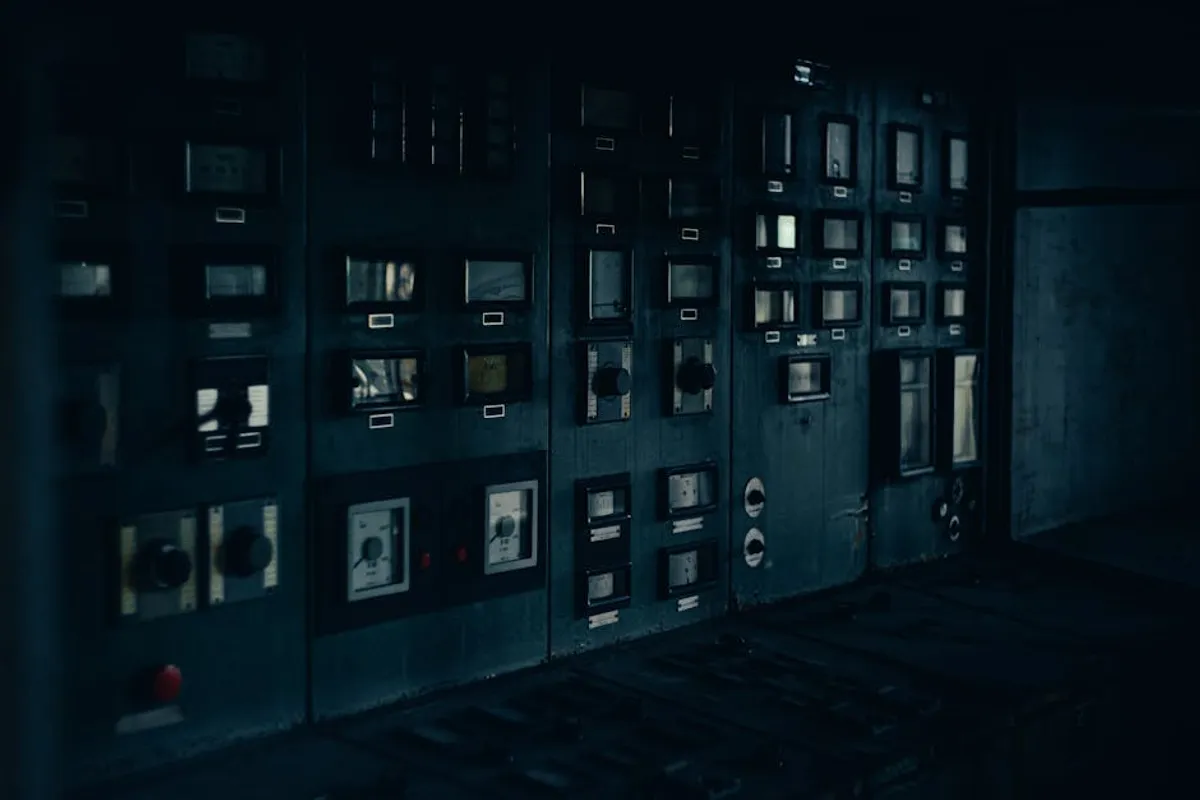
The visual composition of an interview is paramount. Filmmakers often employ specific camera techniques to enhance credibility or amplify unease. A static, almost voyeuristic camera angle, sometimes slightly off-kilter, can mimic the feel of raw, unedited footage, lending an air of documentary realism. Conversely, a handheld camera, particularly when depicting the interviewer's perspective or a re-enactment, injects a sense of immediate, visceral danger. Lighting plays a crucial role; often, interviews are shot with low-key lighting, casting long shadows or leaving parts of the frame in darkness, which visually reinforces the unknown and the unsettling nature of the subject matter. The setting itself—a dimly lit room, an isolated location, or a cluttered, lived-in space—provides contextual clues that either ground the narrative in reality or heighten its supernatural undertones.
Auditory Cues and Their Impact
Beyond visuals, sound design is a potent tool for conveying the gravity and terror of paranormal encounters. The audio quality of an interview can be deliberately manipulated: a slightly distorted voice, subtle background static, or barely perceptible whispers can suggest a recording from a less-than-ideal source, implying authenticity. The subject's vocal performance—hesitations, trembling, sudden shifts in tone—is critical. These non-verbal cues communicate fear, trauma, or conviction more effectively than dialogue alone. Furthermore, ambient sounds, such as distant creaks, wind, or an unidentifiable hum, are often layered into the interview segments to create a pervasive sense of dread, even when the interviewee is simply speaking. This auditory layering primes the audience for the supernatural elements being described.
Narrative Functions of Paranormal Interviews
Paranormal interviews are rarely standalone segments; they serve distinct narrative purposes, advancing the plot, developing characters, and meticulously building suspense. Their strategic placement within a film can dictate pacing and emotional resonance.
Advancing Plot and Character Development
Interviews frequently function as exposition, delivering crucial backstory or introducing new lore about the paranormal entity or phenomenon. They can explain the rules of the supernatural world within the film's context, detail past events, or reveal the origins of a haunting. From a character perspective, interviews allow for direct insight into the psychological impact of paranormal experiences on individuals. They can showcase a character's descent into madness, their unwavering belief, or their struggle to reconcile traumatic events with conventional reality. The interviewer's reactions—skepticism, growing belief, or outright fear—also contribute to their character arc and serve as a proxy for the audience's own developing understanding.
Building Suspense and Horror
The primary narrative function of many paranormal interviews is to generate suspense. By recounting events rather than directly showing them, interviews allow the audience's imagination to fill in the blanks, often creating a more terrifying image than any visual effect could. The gradual revelation of details, the withholding of key information, and the use of an unreliable narrator all contribute to escalating tension. Interviewees might describe horrifying events with a calm, detached demeanor, which can be unsettling, or they might become increasingly agitated, mirroring the audience's rising anxiety. The anticipation of what the interviewee will say next, or what unseen horror they are recalling, becomes a powerful driver of fear.
Common Cinematic Techniques Employed
Filmmakers utilize a range of specific techniques to maximize the impact of paranormal interviews:
- Camera Work and Framing: Often static, sometimes off-center, or employing slow zooms to emphasize emotional shifts. Close-ups on the subject's face reveal subtle expressions of fear or distress.
- Lighting and Shadow Play: Chiaroscuro lighting, single-source lighting, or natural light from a window can create a sense of isolation or vulnerability. Shadows are frequently used to obscure parts of the environment, hinting at unseen presences.
- Editing Rhythms and Pacing: Slow, deliberate cuts can build tension, allowing the audience to absorb every detail of the testimony. Jump cuts or quick, disorienting edits can be used to punctuate moments of revelation or terror, mimicking the interviewee's own fragmented memory or trauma.
- Sound Design and Music: Beyond dialogue, the strategic use of silence, subtle background hums, sudden sharp noises (non-diegetic or diegetic), and unsettling musical scores (often low, dissonant tones) amplify the emotional weight of the interview.
The Role of the Interviewer and Subject
The dynamic between the interviewer and the subject is a crucial component in shaping the audience's interpretation of the paranormal events described. Their interaction can either reinforce or challenge the perceived reality of the narrative.
Depicting Skeptics vs. Believers
An interviewer who begins as a skeptic but gradually becomes convinced by the subject's testimony provides a relatable journey for the audience. This arc allows for a measured introduction to the paranormal, building belief organically. Conversely, an interviewer who is already a believer can establish immediate credibility within the narrative, but risks alienating skeptical audience members if not handled carefully. The subject's own conviction, or lack thereof, also plays a role; a terrified, reluctant witness often garners more sympathy and belief than an overly eager one.
The Unreliable Narrator Trope
Paranormal interviews are fertile ground for the unreliable narrator. A subject whose story shifts, contains inconsistencies, or is delivered with an unnerving calm can introduce doubt and psychological horror. This technique forces the audience to question not only the events described but also the sanity or motives of the person describing them. This ambiguity can be commercially effective, as it fosters discussion and encourages multiple viewings to discern truth from deception.
Pro Tip: When crafting cinematic paranormal interviews, prioritize authenticity over overt spectacle. Audiences are more likely to engage with and believe a subtly unsettling, psychologically driven narrative than one relying solely on jump scares. Focus on the subject's raw emotional state and the nuanced details of their recollection to build genuine dread.
Strategic Storytelling Through Testimony
The strategic deployment of paranormal interviews in film is a sophisticated art form that extends beyond mere exposition. It is a calculated method of controlling narrative flow, manipulating audience emotions, and establishing the foundational credibility for supernatural events. For content creators, understanding these mechanisms allows for the construction of more impactful and commercially successful narratives. By meticulously crafting the visual, auditory, and psychological dimensions of these testimonials, filmmakers can transform recounted experiences into potent engines of fear and fascination, ensuring their stories resonate deeply with viewers and stand out in a crowded genre landscape.
Frequently Asked Questions
How do "found footage" films utilize paranormal interviews?
Found footage films often integrate interviews as a core component, presenting them as raw, unedited recordings to enhance realism. These interviews frequently capture the subject's initial experiences or reactions in real-time, blurring the line between narrative and documentation.
What makes a paranormal interview believable to an audience?
Believability stems from a combination of factors: the subject's convincing emotional performance, realistic dialogue, subtle sound design that hints at unseen elements, and camera work that mimics documentary style or a personal recording.
Can paranormal interviews be effective without showing the supernatural entity?
Absolutely. Often, the unseen is more terrifying. Interviews that focus on the psychological impact of an encounter, the subject's fear, or the unexplained phenomena without revealing the entity itself can be highly effective, allowing the audience's imagination to create the horror.
How has technology changed the portrayal of paranormal interviews in film?
Modern technology has expanded options for authenticity, allowing for high-fidelity audio capture, realistic visual effects for subtle distortions, and the integration of diverse recording devices (e.g., cell phones, security cameras) to diversify interview perspectives and enhance realism.