
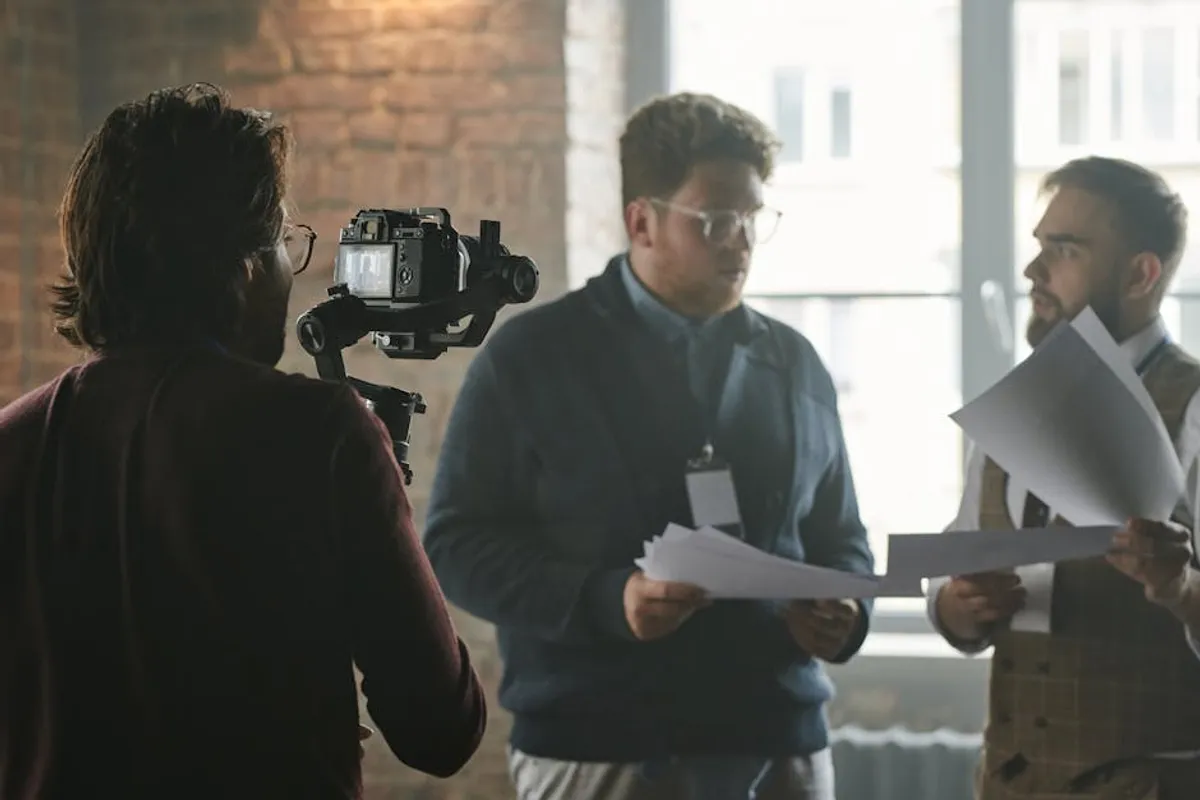
The cinematic portrayal of UFO film analysis serves as a powerful, albeit often overlooked, mechanism for shaping public perception and influencing cultural discourse around unidentified aerial phenomena. This isn't about the content of UFO films themselves, but rather how the *process* of scrutinizing, interpreting, and debating such footage is depicted within other films – be they documentaries, fictional narratives, or mockumentaries. Understanding these narrative conventions offers insights into audience engagement, the popularization of specific investigative methodologies, and the potential for new content opportunities in a niche often driven by speculative interest.
Narrative Functions of On-Screen UFO Film Scrutiny
Films frequently employ the analysis of UFO footage as a critical narrative device, serving multiple functions beyond mere plot progression. This cinematic choice can establish character motivations, introduce conflict, or ground fantastical elements in a semblance of scientific or investigative rigor. The depiction of analysis often dictates the audience's emotional and intellectual response to the UFO phenomenon itself.
- Establishing Credibility or Skepticism: A film might show meticulous, frame-by-frame analysis to lend gravitas to a sighting, or, conversely, reveal the crude methods of debunking to highlight a skeptical viewpoint. The visual cues—darkened rooms, specialized equipment, intense focus—are all part of this narrative framing.
- Character Development: A character's obsession with analyzing UFO film can define their personality, revealing traits of dedication, paranoia, or intellectual curiosity. This often resonates with audiences who share similar interests in detailed investigation.
- Plot Catalyst: The discovery of a new detail through film analysis can propel the story forward, initiating investigations, confrontations, or revelations. This keeps viewers engaged by turning a passive viewing experience into an active quest for truth.
- Building Suspense and Mystery: The slow reveal of anomalies within footage, amplified by dramatic music and close-ups, creates tension. This technique is particularly effective in horror or thriller genres where the unknown is paramount.
Depicting Methodologies: From Pseudo-Science to Forensic Detail
The methods of UFO film analysis portrayed in cinema vary widely, from highly speculative interpretations to detailed, quasi-scientific examinations. These depictions, whether accurate or exaggerated, often influence public understanding of what constitutes "legitimate" investigation.
Common Cinematic Analysis Techniques:
- Visual Enhancement and De-blurring: Often seen in thrillers, characters use fictional software to miraculously clarify pixelated or grainy footage. While visually compelling, this trope frequently oversimplifies the limitations of real-world image processing.
- Spectrographic and Material Analysis: Some films suggest advanced scientific techniques, where light patterns or material compositions are "extracted" from visual data. This lends an air of sophisticated inquiry, even if the specifics are vague.
- Pattern Recognition and Comparative Analysis: Characters might cross-reference UFO footage with known aircraft, celestial events, or other alleged sightings to identify patterns or discrepancies. This method appeals to logical deduction.
- Eyewitness Testimony Integration: The analysis of film is often interwoven with interviews and personal accounts, using the footage to corroborate or contradict human memory. This humanizes the investigation process.
Pro Tip: When a film popularizes a specific (even fictionalized) UFO film analysis technique, it often generates a surge in related search queries. Content creators can capitalize on this by producing authoritative articles, videos, or explainers that either detail the real-world equivalents of these techniques or critically evaluate their cinematic portrayals against scientific realities. This bridges the gap between entertainment and genuine informational interest.
Impact on Public Perception and Information Consumption
The way UFO film analysis is "told" in film profoundly impacts how audiences perceive the authenticity of UFO evidence and the credibility of those who investigate it. Cinematic narratives can either validate or undermine public trust in official explanations, scientific consensus, and independent research. Understanding how these films shape perception offers crucial context for what viewers should know about UFO evidence.
Films that portray analysts as meticulous, unbiased, and scientifically rigorous can elevate the perceived legitimacy of UFO studies. Conversely, depictions of analysts as paranoid, deluded, or easily manipulated can reinforce skepticism and dismissiveness. This dynamic directly affects information consumption patterns, driving audiences toward sources that align with the narrative they've encountered.
For example, a film that showcases a government agency systematically covering up UFO evidence through sophisticated film manipulation might lead viewers to distrust official reports and seek out alternative, often conspiratorial, narratives. This shift in trust creates demand for content that caters to these alternative viewpoints, presenting an opportunity for publishers to address these niche audiences with well-researched, balanced (or even speculative) content.
Strategic Content Opportunities from Cinematic Meta-Narratives
For SEO professionals and content strategists, the cinematic portrayal of UFO film analysis offers several avenues for engagement and audience capture. These opportunities stem from the audience's natural curiosity sparked by on-screen investigations.
Leveraging Thematic Interest:
- "Fact-Checking" Cinematic Analysis: Create content that dissects film scenes showing UFO footage analysis, distinguishing between realistic techniques and cinematic license. For instance, an article titled "Can You Really 'Enhance' UFO Footage Like They Do in Movies?" directly addresses audience curiosity.
- Exploring Real-World Methodologies: Develop deep-dive articles or video series on actual scientific and photographic techniques used to analyze anomalous aerial phenomena, contrasting them with fictionalized versions. This positions a site as an authoritative source.
- Analyzing Narrative Tropes: Publish pieces that examine how different film genres (e.g., sci-fi, horror, documentary) utilize UFO film analysis as a storytelling device, and what this says about cultural anxieties or beliefs.
- Audience Segmentation by Skepticism/Belief: Tailor content to different audience segments based on the level of skepticism or belief often reinforced by film narratives. This could involve content that debunks, affirms, or simply explores the ambiguity of UFO footage.
By understanding the narrative conventions and their psychological impact, content creators can strategically develop material that resonates with film-influenced audiences, addressing their specific questions and validating their curiosity.
Crafting Engaging Content Around Cinematic UFO Analysis
The key to effective content in this niche is specificity and an awareness of the audience's potential exposure to cinematic interpretations. Instead of broad discussions about UFOs, focus on the intersection of film, analysis, and public understanding.
Consider the types of questions audiences might ask after watching a film that prominently features UFO film analysis: "What software do real UFO investigators use?", "How do you tell if UFO footage is fake?", or "Are there government labs that analyze UFO videos?" Each question represents a direct content opportunity. Providing clear, well-researched answers, even if they involve debunking cinematic myths, establishes credibility and draws in organic search traffic.
Furthermore, exploring the cultural impact of specific film portrayals—such as how a particular movie scene influenced a generation's view on government secrecy regarding UFOs—can attract a more analytical and engaged audience. This approach moves beyond simple reporting and delves into the meta-narrative, offering a richer content experience.
Frequently Asked Questions About UFO Film Analysis in Cinema
How accurately do films portray real UFO film analysis techniques?
Most films prioritize dramatic effect over scientific accuracy. While they may incorporate elements of real-world techniques like visual enhancement, they often exaggerate capabilities or simplify complex processes to serve the narrative. True forensic analysis is typically more nuanced and less definitive than depicted on screen.
Can cinematic depictions of UFO analysis influence public opinion?
Yes, cinematic portrayals can significantly shape public perception by validating certain investigative approaches, reinforcing skepticism, or fostering belief in specific narratives (e.g., conspiracy theories). Repeated exposure to these themes can influence how audiences interpret real-world UFO reports.
What are some common tropes related to UFO film analysis in movies?
Common tropes include the "magical de-blurring" of grainy footage, lone investigators discovering hidden truths, government agents suppressing evidence, and the use of fictional advanced technology to interpret ambiguous visual data. These tropes are often used to build suspense or drive the plot.
How can content creators leverage film narratives about UFO analysis?
Content creators can leverage these narratives by producing articles or videos that fact-check cinematic claims, explain real-world analysis methods, discuss the cultural impact of specific film portrayals, or explore the psychological aspects of belief and skepticism as influenced by cinema. This approach caters to an audience already primed by popular culture.