
The podcast landscape for paranormal content is robust, but the specific niche of paranormal mystery offers significant untapped potential for creators. Audiences drawn to the unexplained often overlap with those who appreciate structured investigation, critical analysis, and unsolved narratives. Building a podcast in this space requires more than just recounting ghost stories; it demands a strategic approach to content, format, and audience engagement that caters directly to the mystery fan’s desire for intrigue, evidence, and resolution – or the compelling lack thereof.
Unpacking the Appeal of Paranormal Mystery Podcasts
Mystery fans are inherently drawn to puzzles, clues, and the process of deduction. When applied to paranormal phenomena, this translates into an audience seeking more than just sensationalism. They want to understand the 'how' and 'why,' or at least explore the compelling questions without easy answers. This demographic values narrative depth, credible research, and a host who approaches subjects with an investigative mindset, whether aiming to prove, disprove, or simply document.
Why Mystery Fans are a Prime Audience
This audience segment is highly engaged and often loyal. They are accustomed to serialized content, deep dives into complex topics, and active participation through theories and discussions. For a podcast, this translates into higher retention rates, strong community building potential, and a willingness to explore supplementary content. Their analytical leanings mean they appreciate well-structured arguments and detailed evidence, even when discussing cryptids or spectral encounters.
Monetization Avenues for Niche Content
Targeting a specific, engaged niche like paranormal mystery fans opens doors to specialized commercial opportunities. Direct listener support through platforms offering bonus content, ad placements from brands catering to mystery, true crime, or even historical research interests, and merchandise featuring unique episode-specific lore are all viable. Consider partnerships with independent book publishers focusing on occult history, local historical societies, or even escape room businesses that align with investigative themes.
Narrative-Driven Paranormal Investigations
Podcasts that frame paranormal events as cold cases or ongoing investigations resonate strongly with mystery enthusiasts. This approach lends itself to compelling storytelling and allows for a structured exploration of evidence, theories, and witness testimonies.
The Cold Case Cryptid Files
Concept: Each episode functions as a deep dive into a specific cryptid sighting or legend, treating it as an unsolved mystery. Instead of merely describing the creature, the podcast investigates the historical context, geographical prevalence, witness consistency, and potential hoaxes or misidentifications. The focus is on the investigative process itself, examining fragmented evidence and proposing possible explanations (or admitting to none).
- Target Audience: Listeners who enjoy true crime podcasts, investigative journalism, and folklore.
- Commercial Angle: Could partner with academic researchers studying zoology or anthropology, or sell merchandise featuring detailed "case files" or "evidence" related to specific cryptids. Ad spots for outdoor gear, travel destinations known for cryptid sightings, or even scientific skepticism organizations.
- Differentiation: Moves beyond simple creature cataloging to a rigorous, evidence-based (or evidence-lacking) examination, satisfying the intellectual curiosity of mystery fans.
Historical Hauntings & Unsolved Legends
Concept: This podcast explores historical locations or events renowned for paranormal activity, tying them directly to unresolved historical questions or forgotten narratives. For instance, investigating a specific historical murder site rumored to be haunted, and analyzing both the police records and the paranormal accounts. The mystery isn't just the haunting, but the underlying historical event itself.
Pro Tip: When exploring historical paranormal claims, always cross-reference primary historical documents with contemporary accounts of the supernatural. This dual approach provides a richer context and deeper mystery, appealing to both history buffs and paranormal enthusiasts.
Target Audience: History lovers, urban explorers, and those interested in how societal beliefs shape folklore.
Commercial Angle: Collaboration with historical societies, museums, or local tourism boards. Offers opportunities for sponsored content related to historical research tools, genealogy services, or travel to historic sites. Could develop themed "historical evidence kits" as premium merchandise.
Differentiation: Elevates ghost stories by grounding them in verifiable historical events, offering a layer of intellectual engagement beyond simple frights.
Modern Paranormal Phenomena: Fact or Fiction?
Concept: This series takes a critical, investigative approach to contemporary paranormal claims, internet legends, and emerging phenomena (e.g., specific UFO sightings, "ghost apps," viral cryptid videos). Each episode dissects a claim, examining the available "evidence," interviewing experts (both believers and skeptics), and exploring the psychological or sociological underpinnings of belief. It functions like a digital detective agency.
Target Audience: Skeptics, critical thinkers, and those fascinated by the intersection of technology, psychology, and the unexplained.
Commercial Angle: Ideal for partnerships with educational platforms focused on critical thinking, cybersecurity firms (given the internet-based nature of many modern claims), or even independent documentary filmmakers. Premium content could include extended interviews with experts or "debunking dossiers."
Differentiation: Provides an analytical counterpoint to purely anecdotal paranormal shows, appealing to listeners who enjoy the process of investigation and evidence evaluation.
Business Considerations for Launching a Paranormal Podcast
Beyond creative concepts, the commercial viability of a paranormal mystery podcast hinges on strategic planning and execution.
Defining Your Unique Selling Proposition
In a saturated market, your podcast needs a clear differentiator. Is it your unique investigative methodology? A specific historical period you specialize in? A host with a background in forensic science or folklore? Articulate what makes your podcast indispensable to your target audience. This USP guides all content creation, marketing, and monetization efforts, ensuring consistency and attracting the right listeners.
Content Strategy and Production Workflow
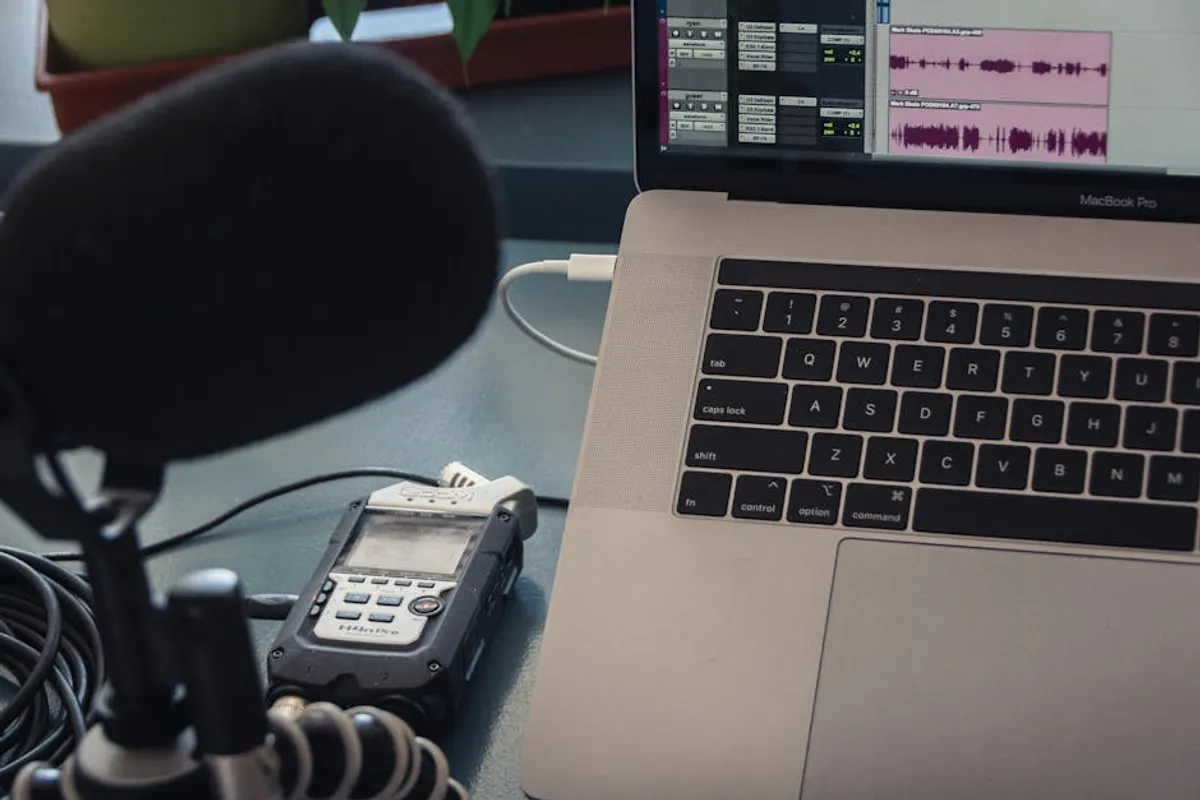
A consistent release schedule is paramount for audience retention. Develop a content calendar that outlines episode topics, research phases, interview schedules, and production deadlines. High-quality audio and meticulous research are non-negotiable for a podcast targeting discerning mystery fans. Invest in good recording equipment and robust editing software. Consider a structured episode format that includes an introduction of the mystery, presentation of evidence, exploration of theories, and a concluding summary of findings (or lack thereof).
Audience Growth and Engagement Tactics
Promote your podcast where your target audience congregates: true crime subreddits, history forums, paranormal interest groups, and social media platforms focused on mystery content. Encourage listener interaction through Q&A segments, listener story submissions, or polls on theories. Cross-promotion with other mystery or history podcasts can expand reach. Optimize your podcast's metadata (titles, descriptions, keywords) with terms that mystery fans would search for, such as "unsolved mysteries," "historical cold cases," "investigative paranormal," or "cryptid analysis."
Strategic Launch and Growth
Launching a paranormal podcast for mystery fans requires a blend of creative vision and practical execution. Begin with a strong foundational concept that aligns with your unique expertise and interests. Develop a detailed content plan, ensuring each episode delivers value through compelling narrative, rigorous investigation, or unique insights. Promote strategically to reach your niche audience, and foster a community that values the intellectual pursuit of the unknown. By focusing on the 'why' and 'how' behind paranormal phenomena, you can build a resilient, commercially viable podcast that captivates mystery enthusiasts for the long term.
Frequently Asked Questions
What makes a paranormal podcast appealing to mystery fans?
Mystery fans are drawn to narrative structure, evidence analysis, and the pursuit of answers. A paranormal podcast appeals to them by framing unexplained phenomena as investigations, focusing on clues, theories, and the process of deduction rather than just sensationalism.
How can I differentiate my paranormal mystery podcast in a crowded market?
Focus on a unique angle, such as forensic analysis of historical hauntings, critical examination of modern myths, or a specific geographic focus. Emphasize your unique host perspective, research methodology, or a commitment to exploring both skeptical and belief-based viewpoints.
What are the best ways to monetize a niche paranormal podcast?
Monetization can include listener support platforms (Patreon for bonus content or early access), targeted ad placements from brands aligned with mystery, history, or critical thinking, and selling niche merchandise like "case files" or themed apparel. Partnerships with relevant organizations also offer revenue streams.
How important is research for a paranormal mystery podcast?
Extensive and credible research is critical. Mystery fans expect depth and accuracy, even when discussing the supernatural. Verifying historical facts, cross-referencing accounts, and consulting experts (both paranormal and scientific) builds trust and enhances the podcast's perceived value and authority.