
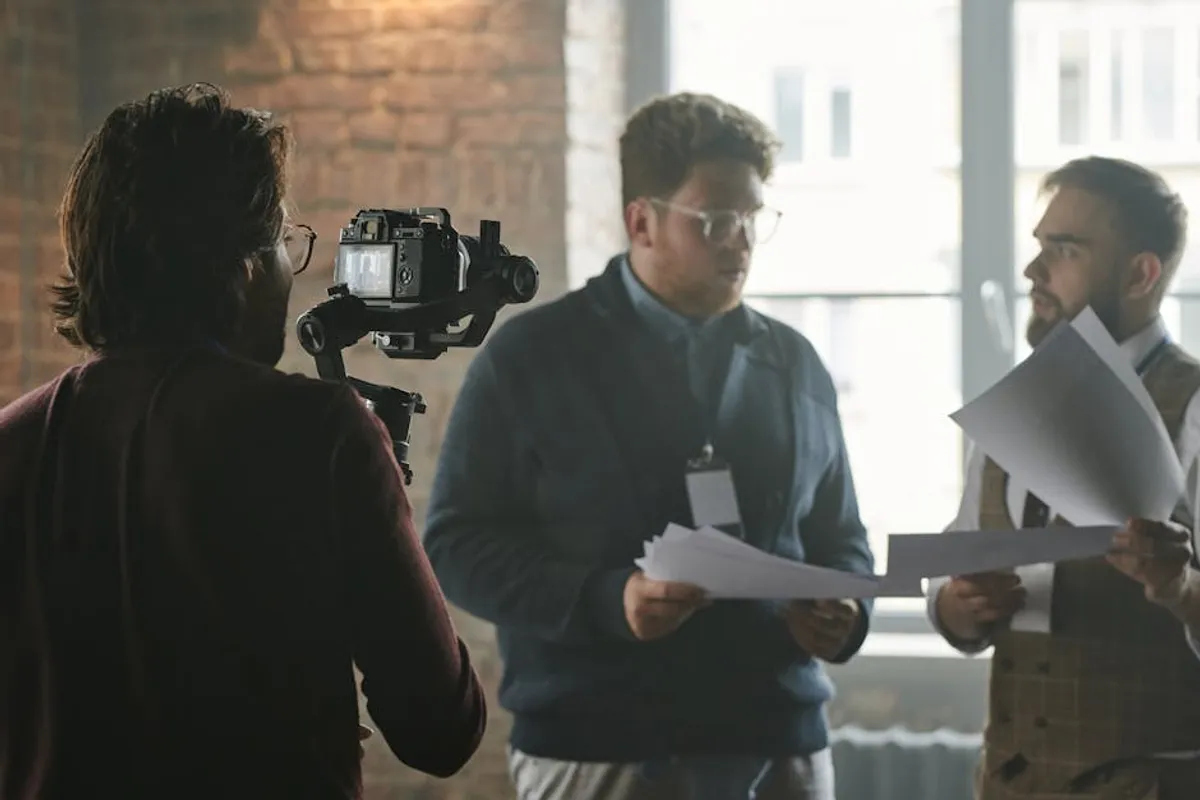
Documentary fans engage deeply with content, making UFO films a rich case study for critical analysis. For SEO professionals, marketers, and site owners, deconstructing these narratives offers invaluable insights into content strategy, audience psychology, and the construction of credibility. This guide outlines a systematic approach to analyzing UFO documentaries, translating the process into actionable skills for crafting compelling, authoritative, and engaging online content that resonates with specific audiences.
Deconstructing Narrative & Trust Signals
Understanding how documentaries build or dismantle trust is crucial for any content creator. This involves scrutinizing the information presented and the methods used to present it, directly informing your approach to E-A-T (Expertise, Authoritativeness, Trustworthiness) in your own content.
Identifying Source Credibility and Bias
Every claim within a documentary originates from a source. Your analysis should meticulously track these origins. Evaluate the primary sources: are they official documents, eyewitness accounts, or speculative theories? Assess the secondary sources—the experts, commentators, and historians featured. Look for potential biases, affiliations, or financial interests that might color their perspective. For instance, a film heavily reliant on a single, self-published author lacks the diverse corroboration often found in more balanced productions. This practice directly mirrors the diligence required for fact-checking and establishing authority in SEO content, where unsubstantiated claims erode trust and ranking potential.
Visual Rhetoric and its Impact on Perception
Documentaries, like all media, use visual elements to persuade. Pay close attention to camera angles, lighting, editing pace, and the use of archival footage versus reenactments. A dramatic zoom on a witness's face can imply sincerity, while shaky cam footage might suggest authenticity or urgency. CGI or special effects, when used, require scrutiny: are they clearly labeled as such, or are they presented deceptively? Understanding these visual cues helps you dissect how a narrative is emotionally constructed and how perceptions are subtly manipulated. This insight is directly applicable to optimizing visual content on your own platforms, ensuring your images and videos support your message transparently and effectively.
The Role of Expert Testimony and Authority
Documentaries frequently rely on experts to lend weight to their arguments. Your analysis should go beyond simply accepting their titles. Investigate their specific credentials, their relevant experience, and their academic or professional affiliations. Are they genuinely experts in the specific field being discussed (e.g., aerospace engineering for propulsion, psychology for witness accounts), or are they generalists offering opinions? Note if the film presents a balanced array of expert opinions or if it selectively features those who support a specific viewpoint. This critical evaluation informs your own strategy for leveraging expert quotes and testimonials, ensuring that the authorities you cite genuinely enhance your content's E-A-T.
Analyzing Audience Engagement & Intent
Documentaries are designed to engage specific audiences, and UFO films are no exception. Analyzing how these films capture and retain viewer attention provides a valuable blueprint for understanding user intent and optimizing content for engagement metrics.
Emotional Pacing and Narrative Arc
Observe how the documentary builds suspense, introduces revelations, and resolves (or leaves unresolved) its central questions. Films often employ a classic narrative arc: introduction of a mystery, rising action with supporting evidence, a climax, and a denouement. The pacing—how quickly information is delivered, when emotional appeals are made—significantly impacts viewer retention and satisfaction. Slow, deliberate pacing might target a scholarly audience, while rapid-fire cuts and dramatic music aim for broad appeal. Recognizing these patterns helps you tailor your content's structure and flow to match the attention spans and emotional expectations of your target audience, from long-form guides to quick social media snippets.
Understanding Sub-Niche Interest within Documentary Consumption
The "documentary fan" is not a monolithic group. Within the UFO niche, there are sub-segments: historical researchers, conspiracy theorists, skeptics, experiencers, and those simply curious. Analyze whether a film caters to a broad audience or specifically targets one of these sub-niches. Does it present new evidence, re-examine old cases, or offer a philosophical interpretation? Identifying these target segments helps you refine your keyword research and content strategies, allowing you to create highly specific content that addresses the precise intent of a particular user group, rather than casting a wide, ineffective net.
Call to Action (Implicit or Explicit) in Documentary Storytelling
While not always overt, documentaries often have an implicit call to action. Does the film aim to convince viewers of a specific truth, encourage further research, provoke discussion, or simply entertain? Observe how the narrative guides the viewer towards a particular conclusion or feeling. For example, a film ending with unanswered questions might implicitly encourage continued investigation, while one presenting a definitive theory aims for acceptance. Understanding these subtle prompts enables you to design your own content with clear objectives, whether it's driving conversions, building community engagement, or influencing opinion, by subtly guiding users through your desired journey.
Practical Framework for Critical Review
A structured approach to analysis ensures thoroughness and objectivity, skills directly transferable to data interpretation and strategic planning in SEO.
When conducting a critical review, focus on these actionable steps:
- Identify the film's central thesis and supporting arguments.
- Catalog all featured experts, noting their credentials and affiliations.
- Trace the origin of key visual evidence or archival footage.
- Note instances of emotional manipulation through music, editing, or witness interviews.
- Research public reception and critical reviews of the documentary.
Initial Observation and Hypothesis Formation
Begin with an initial, uninterrupted viewing. During this first pass, focus on capturing your immediate reactions, identifying the film's central claims, and noting any elements that strike you as particularly compelling or questionable. Formulate preliminary hypotheses about the film's intent, its target audience, and the overall effectiveness of its arguments. This initial phase mirrors the rapid assessment SEO professionals perform when first encountering a new market, a competitor's content, or a SERP, allowing for quick pattern recognition and question generation.
Cross-Referencing and Verifying Claims
This is the investigative core of your analysis. Systematically research every significant claim, fact, and piece of evidence presented. Seek out independent verification from reputable sources outside the documentary's immediate sphere. Look for alternative explanations, counter-arguments, or debunking efforts. Investigate the backgrounds of all featured individuals. This rigorous cross-referencing is analogous to the meticulous data validation and competitor analysis required in SEO, where verifying information prevents misinformed strategies and builds truly authoritative content.
PRO TIP: Guard against confirmation bias. When analyzing any content, especially that which touches on belief systems, actively seek out information that challenges your initial assumptions. This rigorous approach ensures a more objective and commercially viable analysis, preventing you from simply reinforcing existing biases in your content strategy.
Synthesizing Insights for Strategic Application
After thorough observation and verification, synthesize your findings into a coherent understanding of the documentary's strengths, weaknesses, and underlying messages. Connect your observations to broader themes: how does this film contribute to the overall narrative around UFOs? What content gaps does it reveal? How effectively does it engage its target audience? This synthesis phase is where analytical skills transform into strategic insights, allowing you to apply lessons learned about narrative construction, audience psychology, and credibility building directly to your content planning, keyword targeting, and overall SEO campaigns.
Applying Critical Analysis to Content Strategy
The skills honed through analyzing UFO documentaries—deconstructing narratives, scrutinizing sources, understanding emotional appeals, and identifying audience segments—are not confined to film studies. They are fundamental to crafting effective digital content. By systematically dissecting how information is presented, how trust is built (or eroded), and how audiences are engaged, you gain a sharper edge in developing content strategies that are not only algorithm-friendly but also deeply resonant and genuinely authoritative for your target demographic. This analytical rigor equips you to move beyond surface-level content creation, enabling you to build narratives that inform, persuade, and convert with precision.
Frequently Asked Questions
How can analyzing UFO films improve my SEO content strategy?
Analyzing UFO films sharpens your ability to deconstruct complex narratives, identify trust signals, and understand audience engagement patterns. These skills directly translate to crafting more compelling, credible, and targeted SEO content that resonates deeply with specific user intents.
What specific analytical skills are most relevant to marketing?
Key skills include source verification, identifying bias, understanding visual rhetoric, analyzing emotional pacing, and recognizing sub-niche audience interests. These are crucial for developing effective content, managing brand perception, and optimizing for user experience.
Is this analytical approach applicable to other niche content types?
Absolutely. The framework for deconstructing narratives, evaluating credibility, and understanding audience psychology is universally applicable. You can apply these methods to any niche, from historical documentaries to product reviews, to gain deeper insights into content effectiveness.
How do I avoid personal bias when analyzing controversial topics?
Actively seek out diverse perspectives, rigorously verify all claims against independent sources, and deliberately look for information that challenges your initial assumptions. A structured, objective framework helps maintain neutrality and ensures a more balanced analysis.