
Alan Stivelman's 2018 documentary "Witness of Another World" — about Juan Pérez and the events of 1978 in the Argentine pampas — has been quietly recommended in UFO-adjacent corners for years now. It would be easy, given the subject, to assume the film is simply another case-study documentary, of interest mainly to those already disposed to believe. It is something else. The reasons it has lasted are worth examining carefully.
What the film does not do
It is most striking, in re-watch, what Stivelman has refused to do. There is no dramatic reenactment. There is no narrator pressing the viewer toward conclusions. There are no expert talking heads in the conventional sense — no professor speaking in front of bookshelves, no investigator describing what he believes happened. The film does not deploy the tropes of either the believer-documentary or the skeptical-documentary, both of which are well-rehearsed at this point in the genre.
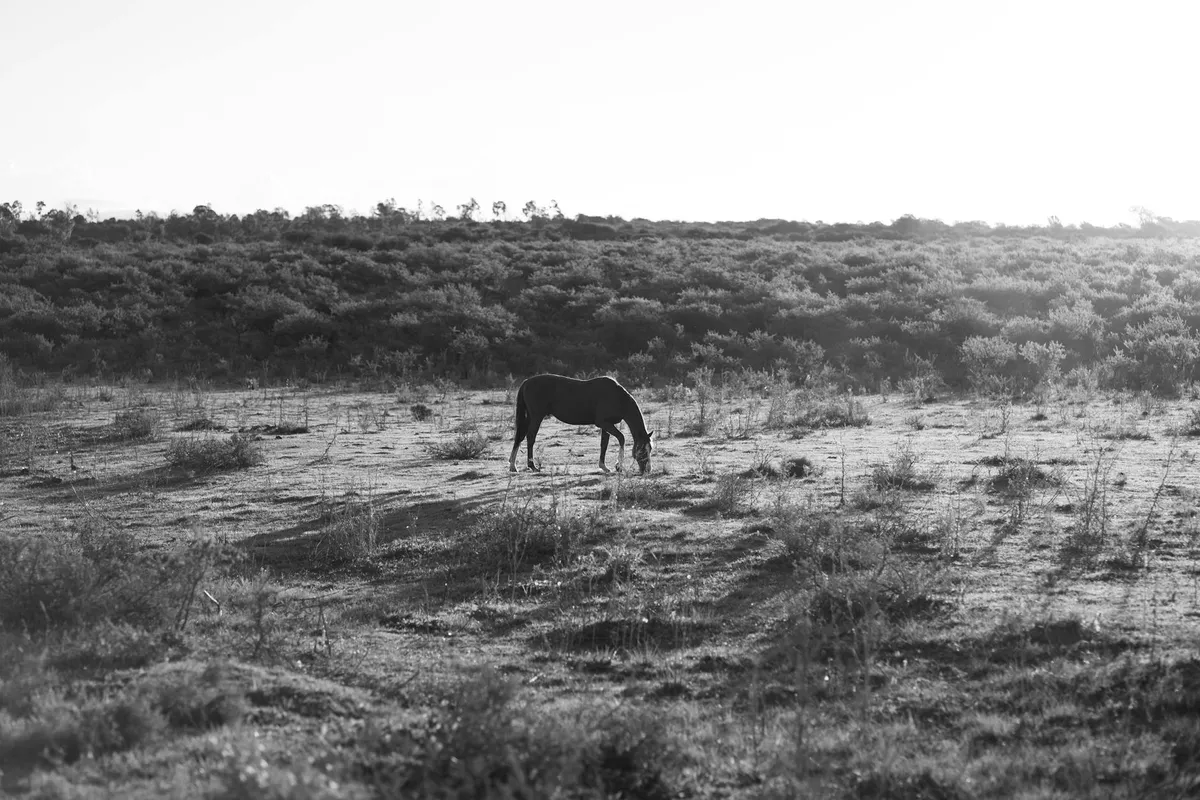
What it does is sit with Juan Pérez. For most of its running time, the film simply occupies space with him on the land where he grew up — a man, decades after an event he has never publicly disowned, carrying it in a way that has visibly shaped his life.
The role of duration
Documentaries about UFO encounters frequently feel rushed. They want to deliver. They have arguments to make. "Witness of Another World" is, by contrast, slow. The cinematography lingers on the pampas. Conversations happen at the pace of conversation rather than at the pace of argument. The viewer is invited to spend time in a particular place with a particular man, and the film trusts that the time itself will produce the encounter.
This is the rare UFO documentary that takes seriously the cinematic insight that duration does its own work. The patient camera produces an intimacy that compressed editing cannot. By the time Pérez speaks about the events of 1978 — and he does, but not until the film has earned the moment — what he says lands differently than it would in any other documentary form.
The trip to the United States
The most quietly remarkable element of the film is Stivelman's decision to take Pérez to meet John Mack — the late Harvard psychiatrist whose work with experiencers is itself part of the cultural record of these subjects. The meeting is filmed without commentary. Mack listens. Pérez speaks. The two men are visibly affected by each other in ways the camera does not interpret.
The scene is not used to validate the experience. Mack does not pronounce. Pérez does not ask for pronouncement. What the film captures is two careful people taking each other seriously — which, regardless of one's conclusions about the underlying events, is unusual enough on this subject to constitute its own kind of testimony.
What the film leaves with the viewer
The viewer who arrives with conviction in either direction will find the film harder to use than they expect. It does not provide ammunition. It does not deliver verdicts. What it leaves is something closer to the experience of having sat with the question for a long time, in a particular place, with someone whose life has been shaped by it.
This is, I would suggest, why the film has lasted in the way it has. It does what serious documentary at its best does — it presents what is, with discipline, and trusts the viewer to do their own work in the encounter.
The argument the film implicitly makes
If the film makes an argument at all, it is methodological rather than substantive. The argument is that the witness — the person who carries the experience — deserves a kind of attention that most coverage of these subjects does not provide. Not credulity; not dismissal; the patient, careful attention one would bring to any subject one took seriously.
That argument is rarely made about UFO experiencers. It is part of why the genre has mostly produced mediocre films, with a few exceptions of which "Witness of Another World" is one. The exceptions are exceptions because they begin from this methodological commitment rather than ending in advocacy of any specific conclusion.
Why it is worth returning to
I have re-watched the film three times now, in different years, and each viewing has produced something slightly different. The first watch was an encounter with the case. The second was an encounter with Pérez himself. The third was an encounter with the form — the choices Stivelman made, the things he refused, the trust he placed in slowness and silence.
Films that reward re-watching are rare in this genre. Films that reward re-watching specifically because of how carefully they have been made are rarer still. "Witness of Another World" is one. It belongs in the small library of documentaries on these subjects that take their subjects, and their viewers, seriously.