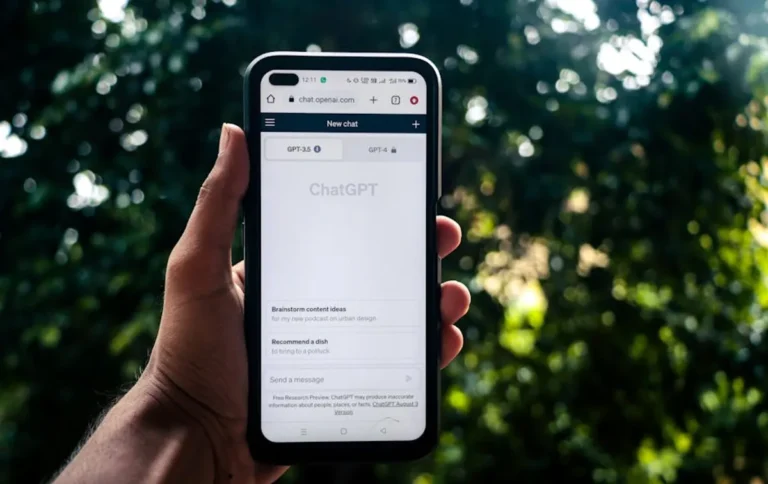

The proliferation of AI chatbots across customer service, content generation, and internal operations introduces significant data privacy considerations. For any organization deploying or integrating these tools, understanding the data footprint is not merely a compliance exercise but a foundational element of user trust and brand integrity. Users, whether internal employees or external customers, share sensitive information with these conversational agents, often without full awareness of how that data is collected, processed, stored, or shared. Diligent examination of a chatbot’s data practices is essential to mitigate risks ranging from data breaches and regulatory fines to reputational damage.
Understanding AI Chatbot Data Collection
AI chatbots operate by ingesting and processing vast quantities of data. This data can originate from direct user interaction, background behavioral tracking, or integrations with other systems. Each category presents distinct privacy implications that demand scrutiny.
Direct User Input and Conversational Data
This category includes all text, voice commands, and uploaded files that users directly provide to the chatbot. For instance, in a customer support scenario, users might share account numbers, personal identification details, purchase histories, or health information. In a content generation context, proprietary business strategies or confidential research might be entered as prompts. The immediate privacy concern here is the potential for sensitive, personally identifiable information (PII) or confidential business data to be captured and stored.
Behavioral and Usage Data
Beyond explicit input, chatbots often collect metadata about user interactions. This can include timestamps of conversations, duration of sessions, types of queries made, features accessed, and the frequency of use. For web-based chatbots, IP addresses, browser types, device information, and geographic location might also be logged. While often aggregated for performance analytics, granular behavioral data can still reveal patterns that, when combined with other information, could lead to user identification or profiling. This data informs system improvements but also represents a persistent record of user engagement patterns.
Third-Party Integrations and Data Sharing
Many AI chatbots are not standalone systems; they integrate with CRM platforms, knowledge bases, payment gateways, or other enterprise applications to function effectively. Each integration point creates a potential conduit for data exchange. If a chatbot pulls customer records from a CRM or pushes conversation summaries to a ticketing system, the privacy policies of all linked systems become relevant. Data shared with third-party developers for model training or feature enhancement also falls under this umbrella, often requiring explicit consent or robust anonymization protocols.
Key Privacy Elements to Scrutinize
A comprehensive privacy review goes beyond surface-level statements. It requires a deep dive into specific operational details that dictate how data is handled throughout its lifecycle.
Reviewing the Privacy Policy
The privacy policy is the primary legal document outlining data practices. Users and organizations should look for clarity on:
- Data Categories Collected: Exact types of PII, sensitive data, and behavioral data.
- Purpose of Collection: Specific uses for the data (e.g., service improvement, personalization, marketing, model training).
- Data Sharing Practices: Who the data is shared with (e.g., affiliates, third-party service providers, advertisers) and for what purposes.
- User Rights: How users can access, correct, delete, or port their data.
- International Data Transfers: If data crosses borders, what safeguards are in place (e.g., Standard Contractual Clauses, Privacy Shield frameworks).
Policies should be unambiguous, avoiding vague terms that could permit broad interpretations of data use.
Data Retention and Deletion Policies
How long is data stored, and under what conditions is it deleted? Indefinite retention increases the risk exposure. A robust policy will specify retention periods for different data types, often tied to legal requirements or business necessity. Crucially, it should detail the process for users to request data deletion and confirm that deletion is comprehensive across all stored instances, including backups and training datasets.
Anonymization and Aggregation Practices
Many chatbot providers claim to anonymize or aggregate data for model training and analytics. Users must understand the methodology. True anonymization renders data unidentifiable, even when combined with other datasets. Pseudonymization, which replaces identifiers with artificial ones, is a weaker form but still offers protection. Scrutinize whether these processes are irreversible and if the resulting data could still be re-identified through advanced techniques. The effectiveness of these practices directly impacts the risk of re-identification.
Security Measures and Breach Protocols
Data security underpins privacy. Inquire about encryption protocols (in transit and at rest), access controls, regular security audits, and certifications (e.g., ISO 27001). Equally important are the procedures in place for detecting, responding to, and reporting data breaches. A clear incident response plan, including notification protocols for affected users and regulatory bodies, demonstrates a commitment to data protection.
Pro Tip: Do not rely solely on a chatbot provider's public-facing privacy policy. For enterprise deployments, request a Data Processing Addendum (DPA) or a detailed security whitepaper. These documents often contain more granular information about data handling, sub-processors, and specific security controls that are critical for due diligence.
Practical Steps for Data Vigilance
Users and organizations can take proactive measures to protect privacy when interacting with AI chatbots:
- Limit Input: Only provide the minimum necessary information required for the chatbot to perform its function. Avoid sharing highly sensitive PII unless absolutely essential and explicitly consented to.
- Review Permissions: If the chatbot requests access to other applications or data sources (e.g., calendar, contacts), understand why those permissions are needed and only grant access if justified.
- Check for Opt-Out Options: Look for mechanisms to opt out of data collection for specific purposes, such as model training or marketing communications.
- Regularly Clear Chat History: Utilize features that allow users to delete their conversation history, understanding that this may not always remove data from backend training sets without a specific deletion request.
- Educate Users: For organizations deploying chatbots, provide clear guidelines to employees and customers about what data is appropriate to share and the chatbot’s privacy limitations.
Safeguarding User Trust in AI Interactions
The long-term value of AI chatbots is inextricably linked to user trust, which hinges on transparent and responsible data privacy practices. Organizations deploying these tools must approach privacy not as a mere compliance checkbox but as a continuous commitment to ethical data stewardship. This involves ongoing review of vendor policies, regular security assessments, and clear communication with users about data handling. For individual users, vigilance and informed consent remain the strongest defenses against unintended data exposure. By understanding the specific data points collected and the policies governing them, both providers and users can foster a more secure and trustworthy AI ecosystem.
FAQ
What types of personal data do AI chatbots typically collect?
AI chatbots commonly collect direct user input (text, voice, files), behavioral data (session duration, query types, features used), and technical data (IP address, device information). Depending on integrations, they may also access data from linked third-party systems like CRM platforms.
How can I check an AI chatbot's privacy policy?
Most reputable AI chatbot services or platforms will have a link to their privacy policy readily available on their website, within the application interface, or accessible through their terms of service. Look for sections detailing data collection, usage, sharing, and user rights.
Can my conversations with an AI chatbot be used for training its AI model?
Yes, many AI chatbot providers use conversational data to train and improve their AI models. Privacy policies should explicitly state if and how this data is used for training, whether it's anonymized, and if users have options to opt out of such use.
What are my rights regarding data collected by AI chatbots?
Depending on your jurisdiction (e.g., GDPR, CCPA), you typically have rights to access your data, request corrections, ask for deletion, and object to certain processing activities. The chatbot's privacy policy should outline how to exercise these rights.