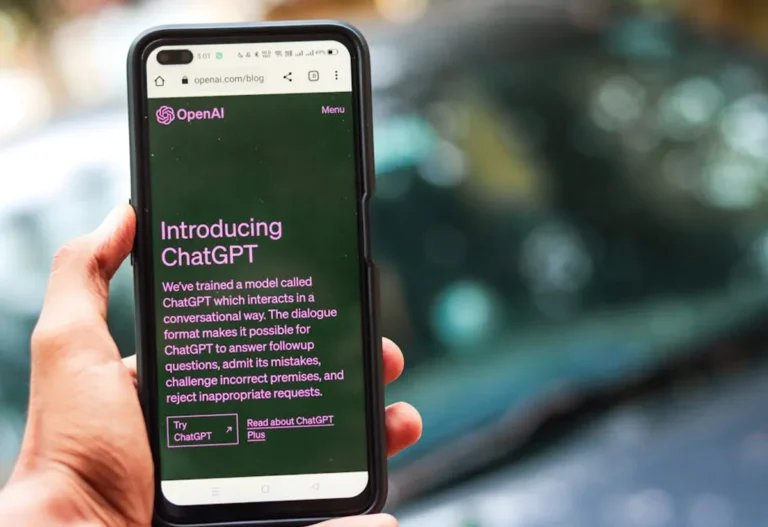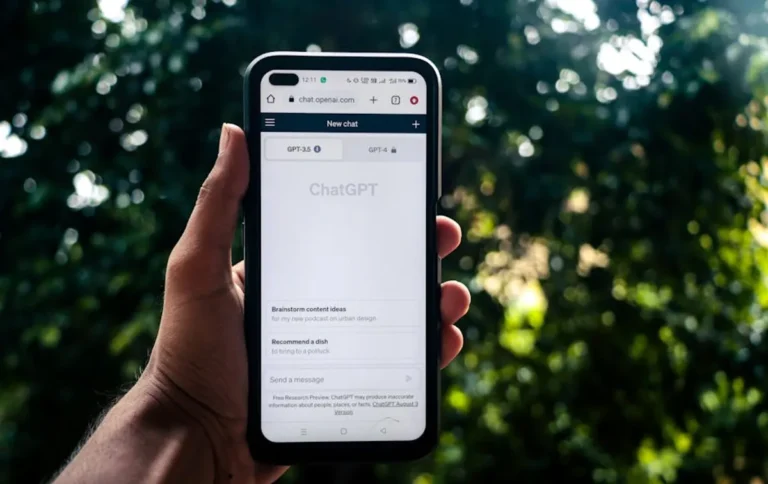
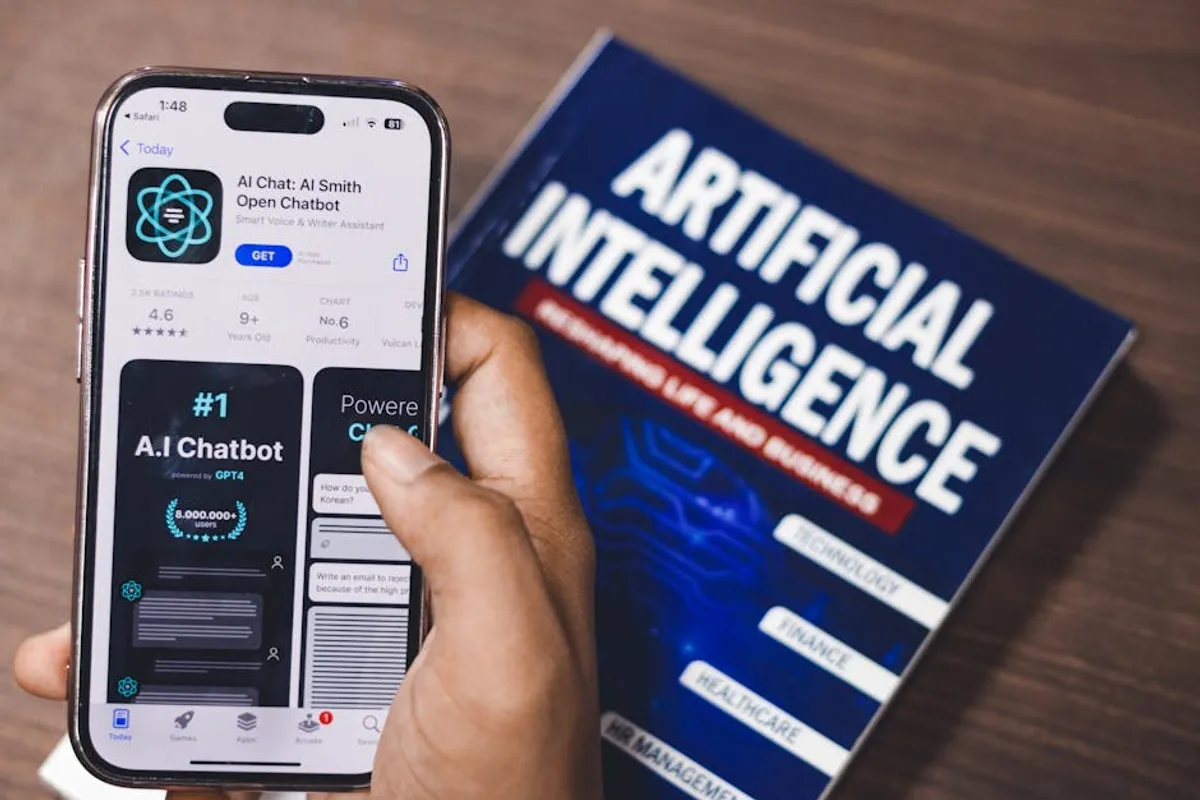
The landscape of AI chatbots is evolving rapidly, moving beyond basic conversational interfaces to become integral components of digital strategy. For SEO professionals, marketers, site owners, and agencies, understanding these shifts by 2026 is not merely about staying current; it's about identifying competitive advantages, optimizing user experience, and securing future digital visibility. The trends emerging now suggest a future where chatbots are more autonomous, context-aware, and deeply integrated into the user journey, demanding a proactive approach to their implementation and management. Understanding these shifts by 2026 is not merely about staying current; it's about identifying competitive advantages, optimizing user experience, and securing future digital visibility, including making AI chatbots helpful.
Hyper-Personalization and Contextual Awareness
By 2026, AI chatbots will move past generic script responses to offer highly personalized interactions, driven by deeper contextual understanding. This means leveraging user history, real-time behavior, demographic data, and even emotional cues to tailor conversations. For marketers, this translates to more effective lead nurturing and conversion paths. For SEO, it means chatbots can dynamically serve content relevant to a user's specific query history and intent, potentially influencing how users discover and engage with information on a site.
- Dynamic Content Delivery: Chatbots will pull and present website content, product recommendations, or support articles based on an individual user's demonstrated needs and past interactions.
- Intent Prediction: Advanced models will anticipate user needs before explicit queries, offering proactive assistance or information, reducing friction in the user journey.
- Cross-Channel Memory: Conversations will persist and evolve across different touchpoints (website, app, social media), ensuring a seamless and consistent user experience.
Multimodal AI and Natural Language Understanding
The reliance on text-only interactions for chatbots will diminish as multimodal AI becomes standard. By 2026, chatbots will seamlessly process and generate responses across various formats, including voice, image, and video. This enhances accessibility and user engagement, particularly for voice search optimization and visual content strategies. Natural Language Understanding (NLU) will also reach new levels of sophistication, enabling chatbots to grasp nuances, sarcasm, and complex human expressions, leading to more natural and empathetic interactions.
Impact for Publishers: Content creators will need to consider how their assets (articles, videos, product pages) can be effectively summarized, extracted, and presented by multimodal chatbots. This involves optimizing for different input types and ensuring information is readily digestible in various formats.
Proactive Engagement and Predictive AI
The shift from reactive to proactive engagement will be a defining trend. Instead of waiting for a user to initiate a query, AI chatbots in 2026 will leverage predictive analytics to anticipate user needs and intervene at critical points in their journey. This could involve offering assistance on a complex form, suggesting relevant products based on browsing patterns, or providing timely information before a potential issue arises.
Pro Tip: Implement A/B testing on proactive chatbot prompts and timing. Analyze user engagement rates, conversion lift, and bounce rate reductions to refine your predictive AI strategy. Overly aggressive interventions can deter users, so balance proactivity with perceived helpfulness.
For e-commerce, this translates to improved conversion rates and reduced cart abandonment. For customer support, it means resolving issues before they escalate, enhancing satisfaction. SEO professionals should consider how these proactive elements can guide users to relevant, high-value content, influencing on-page metrics and overall site performance.
Ethical AI, Trust, and Transparency
As AI chatbots become more sophisticated and autonomous, the ethical considerations surrounding their use will intensify. By 2026, consumers and regulatory bodies will demand greater transparency regarding AI's decision-making processes, data usage, and potential biases. Building trust will be paramount, requiring clear communication about the chatbot's capabilities and limitations, as well as robust data privacy measures.
Commercial Imperative: Businesses must prioritize ethical AI development, ensuring chatbots are fair, accountable, and transparent. This includes implementing clear opt-out mechanisms, providing human escalation paths, and regularly auditing chatbot performance for unintended biases or negative user experiences. Failure to address these concerns can lead to reputational damage and decreased user adoption.
Integration with Enterprise Systems and Workflow Automation
Chatbots will evolve from standalone tools into deeply integrated components of enterprise ecosystems. By 2026, they will seamlessly connect with CRM systems, ERP platforms, marketing automation tools, and internal databases. This integration enables chatbots to perform complex tasks, such as processing orders, updating customer records, scheduling appointments, or providing personalized insights based on a comprehensive view of customer data.
The benefit here is significant operational efficiency. Customer service teams can offload routine inquiries, allowing human agents to focus on complex cases. Sales teams can leverage chatbots for lead qualification and initial outreach. This level of automation streamlines workflows, reduces manual effort, and ensures data consistency across disparate systems.
Preparing for the AI Chatbot Future
To capitalize on these emerging trends, businesses need to develop a strategic roadmap for AI chatbot adoption and enhancement. This involves more than just deploying a new tool; it requires a holistic approach that considers user experience, data governance, content strategy, and ongoing performance optimization.
Start by auditing current customer interaction points and identifying areas where intelligent automation can deliver measurable value. Invest in robust data infrastructure to feed your chatbots with accurate, real-time information. Train your teams on the capabilities and limitations of AI, fostering collaboration between human and artificial intelligence. Regularly review chatbot performance metrics – not just resolution rates, but also user satisfaction, sentiment analysis, and conversion impact – to ensure continuous improvement and alignment with business objectives.
Frequently Asked Questions
How will AI chatbot trends impact SEO strategies?
AI chatbot trends will influence SEO by changing how users discover information, increasing the importance of conversational search queries, and emphasizing content optimized for direct answers and multimodal delivery. SEO professionals will need to focus on clear, concise, and structured content that chatbots can easily interpret and present. SEO professionals will need to focus on clear, concise, and structured content that chatbots can easily interpret and present, especially if you build a simple AI chatbot.
What are the key ethical considerations for AI chatbots in 2026?
Key ethical considerations include data privacy, transparency in AI decision-making, bias mitigation, and ensuring human oversight. Businesses must prioritize building user trust through clear communication about chatbot capabilities and robust data protection policies.
How can businesses measure the ROI of advanced AI chatbots?
Measuring ROI involves tracking metrics such as reduced customer service costs, increased conversion rates, improved customer satisfaction scores, higher lead qualification rates, and time saved through workflow automation. A/B testing different chatbot implementations can also provide clear performance comparisons.
Will AI chatbots replace human customer service entirely by 2026?
No, AI chatbots are expected to augment, not entirely replace, human customer service. They will handle routine inquiries and provide instant support, freeing human agents to focus on complex problems, empathetic interactions, and high-value customer engagement that requires nuanced understanding and emotional intelligence.