
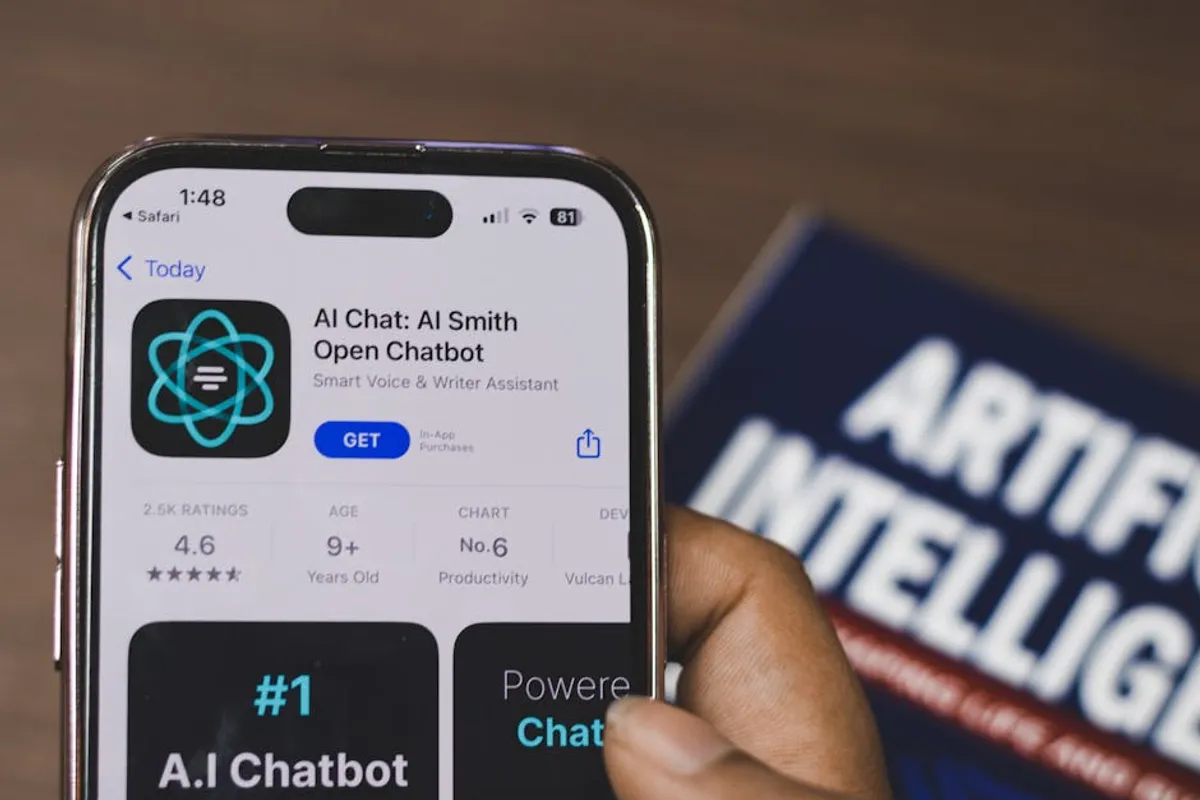
The escalating demand for high-volume, high-quality content across diverse channels presents a significant operational challenge for marketing teams and agencies. Content creation, from initial ideation to final publication, is resource-intensive, requiring significant time, research, and creative input. AI chatbots have emerged not as a replacement for human creativity, but as a strategic augmentation tool designed to streamline these processes, accelerate output, and enhance the commercial viability of content initiatives. Understanding their specific capabilities allows for targeted integration into existing workflows, transforming bottlenecks into opportunities for scalable content production.
Understanding AI Chatbot Capabilities in Content Creation
Streamlining Ideation and Outlining
AI chatbots excel at generating a broad spectrum of content ideas based on specific prompts, target audiences, or keyword sets. They can analyze vast datasets of existing content, identifying trending topics, common questions, and content gaps within a niche. This capability significantly reduces the time spent on initial brainstorming sessions, providing a structured starting point for human creators.
- Topic Generation: Input core themes or target keywords to receive a list of potential blog post ideas, video scripts, or social media campaigns.
- Angle Exploration: Request different perspectives or unique angles on a given topic, helping to differentiate content in crowded markets.
- Outline Construction: Provide a topic, and the chatbot can generate a logical content structure, complete with headings, subheadings, and key points to cover, ensuring comprehensive coverage and flow.
Enhancing Research and Data Synthesis
Manual research is a time-consuming component of content creation. AI chatbots can rapidly process and summarize large volumes of information, extracting key facts, statistics, and relevant insights from articles, reports, or academic papers. This allows content creators to quickly grasp the core arguments and data points necessary for their work, dedicating more time to analysis and narrative development.
Best for: Quickly gathering background information, identifying supporting evidence, and summarizing complex topics for initial content drafts.
Accelerating Draft Generation
While AI chatbots are not equipped to produce polished, brand-aligned final drafts independently, they are highly effective at generating initial content segments or full first drafts. This includes:
- Blog Post Sections: Creating introductory paragraphs, body sections on specific subtopics, or concluding summaries.
- Product Descriptions: Generating multiple variations of compelling product copy based on features and benefits.
- Social Media Updates: Crafting captions, tweets, or LinkedIn posts tailored to different platforms and character limits.
- Email Copy: Developing subject lines, body text for newsletters, or promotional emails.
This capability significantly reduces the "blank page" syndrome and provides a tangible starting point that human editors can then refine, inject with brand voice, and fact-check.
Pro Tip: When using AI chatbots for draft generation, always provide highly specific and detailed prompts. Include target audience, desired tone, key messages, and even examples of preferred style. Generic prompts yield generic outputs; precision in input directly correlates with the utility of the output.
Optimizing for Search and Readability
AI chatbots can assist in optimizing content for search engines and improving its overall readability. They can analyze text for keyword density, suggest related long-tail keywords, and identify opportunities for internal linking. Additionally, they can assess sentence structure, vocabulary complexity, and paragraph length to recommend improvements that enhance readability scores and user engagement.
Specific applications:
- Keyword integration suggestions based on competitive analysis.
- Grammar and spelling checks, alongside stylistic recommendations.
- Rewriting complex sentences for clarity and conciseness.
- Identifying opportunities to incorporate calls-to-action more effectively.
Facilitating Content Repurposing
Maximizing the value of existing content is crucial for efficiency. AI chatbots can transform long-form content into various shorter formats suitable for different platforms, extending content reach without requiring entirely new creation efforts. For instance, a detailed blog post can be rapidly converted into:
- Multiple social media posts with distinct angles.
- An executive summary for an email newsletter.
- Bullet points for a presentation slide deck.
- Short video script outlines for explainer content.
- FAQ sections derived from the main content.
Practical Applications and Workflow Integration
Integrating AI chatbots into content workflows requires a clear understanding of their role as assistants, not autonomous creators. For SEO professionals, they can accelerate keyword research by generating variations and semantic keywords. For marketers, they can quickly draft ad copy variations for A/B testing or personalize email sequences at scale based on audience segments. Publishers can use them to summarize news articles or generate meta descriptions for hundreds of pages efficiently. The key is to define specific tasks where AI can handle the repetitive or data-intensive aspects, freeing human talent for strategic oversight, creative refinement, and brand voice consistency.
Strategic Considerations for Implementation
Effective deployment of AI chatbots in content creation hinges on several strategic considerations. First, human oversight remains paramount; AI-generated content must be rigorously fact-checked, edited for accuracy, and aligned with brand guidelines and tone of voice. Second, ethical considerations regarding data privacy and potential biases in AI models necessitate careful prompt engineering and critical review of outputs. Third, training content teams on prompt engineering—the art of crafting effective instructions for AI—is crucial for maximizing the utility and relevance of AI-generated content. Finally, while AI can scale content volume, the unique human perspective, emotional resonance, and strategic storytelling remain irreplaceable for building deep audience connections.
Optimizing Content Velocity
AI chatbots offer a tangible pathway to increasing content velocity and efficiency without compromising quality. By offloading routine tasks such as initial drafting, idea generation, and basic optimization, content teams can reallocate their creative resources to strategic planning, in-depth analysis, and the development of truly distinctive content. This augmentation allows for more consistent publication schedules, broader content coverage, and a more agile response to market trends, ultimately supporting more robust commercial outcomes.
Frequently Asked Questions
Can AI chatbots completely replace human content creators?
No, AI chatbots are tools designed to augment human capabilities, not replace them. They excel at repetitive tasks, data synthesis, and generating initial drafts, but human oversight, creativity, critical thinking, and brand-specific voice remain essential for producing high-quality, impactful content.
What types of content benefit most from AI chatbot assistance?
Content types that involve high volume, data-heavy research, or require rapid iteration benefit significantly. This includes product descriptions, social media updates, initial blog post drafts, meta descriptions, ad copy variations, and summarizing long-form content for different platforms.
How can I ensure AI-generated content is original and accurate?
AI-generated content should always be treated as a starting point. Human editors must review, fact-check, and refine it for accuracy, originality, and adherence to brand guidelines. Implementing robust editorial processes that include AI output review is crucial to maintain quality and avoid plagiarism or misinformation.
What are the primary ethical considerations when using AI for content?
Key ethical considerations include ensuring data privacy, mitigating potential biases present in AI models, maintaining transparency about AI use (where appropriate), and ensuring the final content is accurate and does not mislead readers. Responsible AI use requires critical evaluation and human accountability.