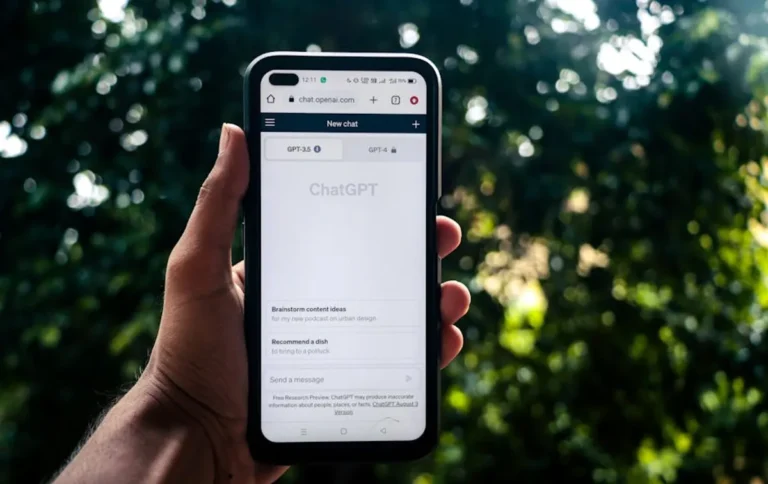

The integration of artificial intelligence into customer service and personal interaction has introduced a new class of digital assistants: AI chat companions. These systems, ranging from sophisticated customer support bots to more generalized conversational agents, are designed to engage users through text or voice interfaces, mimicking human-like dialogue. For businesses, the decision to adopt an AI chat companion is not merely technological; it's a strategic choice with direct implications for operational efficiency, customer experience, and brand perception. Understanding the inherent advantages and potential drawbacks is crucial for any organization considering this evolving technology, ensuring that deployment aligns with commercial objectives and mitigates foreseeable risks. Understanding the difference between ai types can help businesses make informed decisions about their customer service strategy.
Understanding AI Chat Companions
AI chat companions leverage natural language processing (NLP) and machine learning to interpret user input and generate relevant responses. Their core function is to facilitate communication, automate routine tasks, and provide information without direct human intervention. This technology has evolved from simple rule-based chatbots to generative AI models capable of more nuanced and context-aware conversations. Businesses deploy them across various touchpoints, including websites, messaging apps, and internal support systems, aiming to streamline interactions and manage user expectations. The key to successful ai chat companions is creating engaging chat experiences through nuanced and context-aware conversations.
The Commercial Advantages: Why Businesses Adopt AI Companions
For organizations, the appeal of AI chat companions stems from their capacity to address several operational and customer-facing challenges efficiently.
24/7 Availability and Scalability
Unlike human customer service teams, AI chat companions operate continuously, providing support and information around the clock, regardless of time zones or public holidays. This constant availability ensures that customer queries are addressed promptly, reducing wait times and improving immediate satisfaction. Furthermore, these systems can handle an exponentially higher volume of concurrent interactions than human agents, scaling effortlessly to meet demand spikes without requiring additional staffing or infrastructure. This translates directly into reduced operational costs per interaction and enhanced service reach.
Consistent Brand Voice and Personalization
AI companions can be programmed to adhere strictly to brand guidelines, ensuring every interaction reflects a consistent tone, vocabulary, and messaging. This uniformity reinforces brand identity across all customer touchpoints. Beyond consistency, advanced AI models can leverage customer data (with appropriate consent and privacy protocols) to personalize interactions. This includes recalling past conversations, referencing previous purchases, or tailoring recommendations, fostering a sense of individualized attention that can deepen customer loyalty.
Actionable Data Insights
Every interaction an AI chat companion has with a user generates valuable data. This data, when aggregated and analyzed, provides businesses with deep insights into common customer pain points, frequently asked questions, product interests, and service gaps. Identifying these trends allows organizations to refine their products, services, and content strategies, leading to more informed business decisions and proactive problem-solving. This feedback loop is a continuous improvement mechanism that human-only systems struggle to replicate at scale.
The Operational Challenges: Limitations and Risks
Despite their benefits, AI chat companions are not without significant limitations that businesses must carefully evaluate before deployment.
Empathy Deficit and Nuance Gaps
AI systems, by their nature, lack genuine human empathy, emotional intelligence, and the ability to understand nuanced social cues like sarcasm, frustration, or subtext. In situations requiring delicate handling, complex emotional support, or subjective judgment, an AI companion's programmed responses can feel cold, impersonal, or even inappropriate. This can lead to user frustration and a perceived lack of genuine care, potentially damaging customer relationships.
Constrained Problem-Solving Capabilities
While effective for routine queries, AI chat companions often struggle with novel, complex, or ambiguous problems that fall outside their pre-programmed knowledge base or training data. They operate within defined parameters and cannot spontaneously "think outside the box" or creatively troubleshoot unforeseen issues. When faced with such a scenario, they may enter repetitive loops, provide irrelevant information, or simply state an inability to help, necessitating human intervention and negating the initial efficiency gains.
Data Security and Privacy Implications
Deploying AI companions often involves processing significant amounts of user data, some of which may be sensitive. This raises critical concerns regarding data security, privacy compliance (e.g., GDPR, CCPA), and the potential for data breaches. Businesses must implement robust encryption, access controls, and strict data governance policies to protect user information. Any compromise can lead to severe reputational damage, legal penalties, and a loss of customer trust.
Pro Tip: Implement a clear escalation path. For any AI chat companion, ensure users can easily transition to a human agent when the AI cannot resolve an issue or when an interaction requires genuine empathy. This hybrid approach prevents user frustration and maintains a positive customer experience, leveraging AI for efficiency and humans for complexity.
The Risk of Inaccurate Information
Generative AI models, while capable of producing highly fluent text, are prone to "hallucinations"—generating plausible but factually incorrect or fabricated information. If an AI chat companion provides erroneous details about products, services, or policies, it can mislead customers, lead to complaints, and undermine the credibility of the business. Continuous monitoring, fact-checking mechanisms, and regular training data updates are essential to mitigate this risk, but it remains a persistent challenge.
Strategic Implementation: Maximizing Value, Minimizing Drawbacks
Effective deployment of AI chat companions requires a strategic approach that balances technological capabilities with human needs and commercial realities. It is not about replacing human interaction entirely, but augmenting it.
- Define Clear Objectives: Identify specific tasks the AI will handle (e.g., FAQ, appointment booking, basic troubleshooting) and what remains for human agents.
- Phased Rollout: Begin with a pilot program to test performance, gather user feedback, and refine the AI's knowledge base and conversational flows before full deployment.
- Continuous Training and Monitoring: Regularly update the AI's training data, review conversation logs for areas of improvement, and monitor performance metrics like resolution rates and user satisfaction.
- Transparency with Users: Clearly communicate that users are interacting with an AI. This manages expectations and prevents frustration when the AI reaches its limitations.
- Secure Data Handling: Prioritize data privacy and security from the outset, ensuring compliance with all relevant regulations and building trust with users.
Key Considerations for Deployment
Before investing in an AI chat companion, businesses should conduct a thorough assessment of their specific needs, existing infrastructure, and long-term customer service strategy. Consider the complexity of typical customer queries, the volume of interactions, and the resources available for ongoing management and integration. The most successful implementations treat AI companions as a tool to enhance, rather than replace, human-centric service, focusing on automating the mundane to free up human agents for more complex, empathetic interactions.
Frequently Asked Questions
What is the primary benefit of an AI chat companion for businesses?
The primary benefit is 24/7 availability and scalability, allowing businesses to handle a high volume of customer inquiries efficiently and consistently, reducing operational costs and improving immediate response times.
Can AI companions truly understand human emotion?
No, AI companions do not possess genuine human emotions or empathy. While they can be programmed to detect sentiment in text and respond appropriately, their understanding is based on pattern recognition and algorithms, not true emotional comprehension.
How do businesses ensure data privacy when using AI companions?
Businesses ensure data privacy through robust encryption, strict access controls, anonymization of sensitive data, and adherence to data protection regulations like GDPR. Clear privacy policies and user consent mechanisms are also crucial.
What types of tasks are AI chat companions best suited for?
AI chat companions excel at handling repetitive tasks, answering frequently asked questions, providing basic product information, guiding users through processes, and performing simple transactions like appointment scheduling or order tracking.